Naturescapes

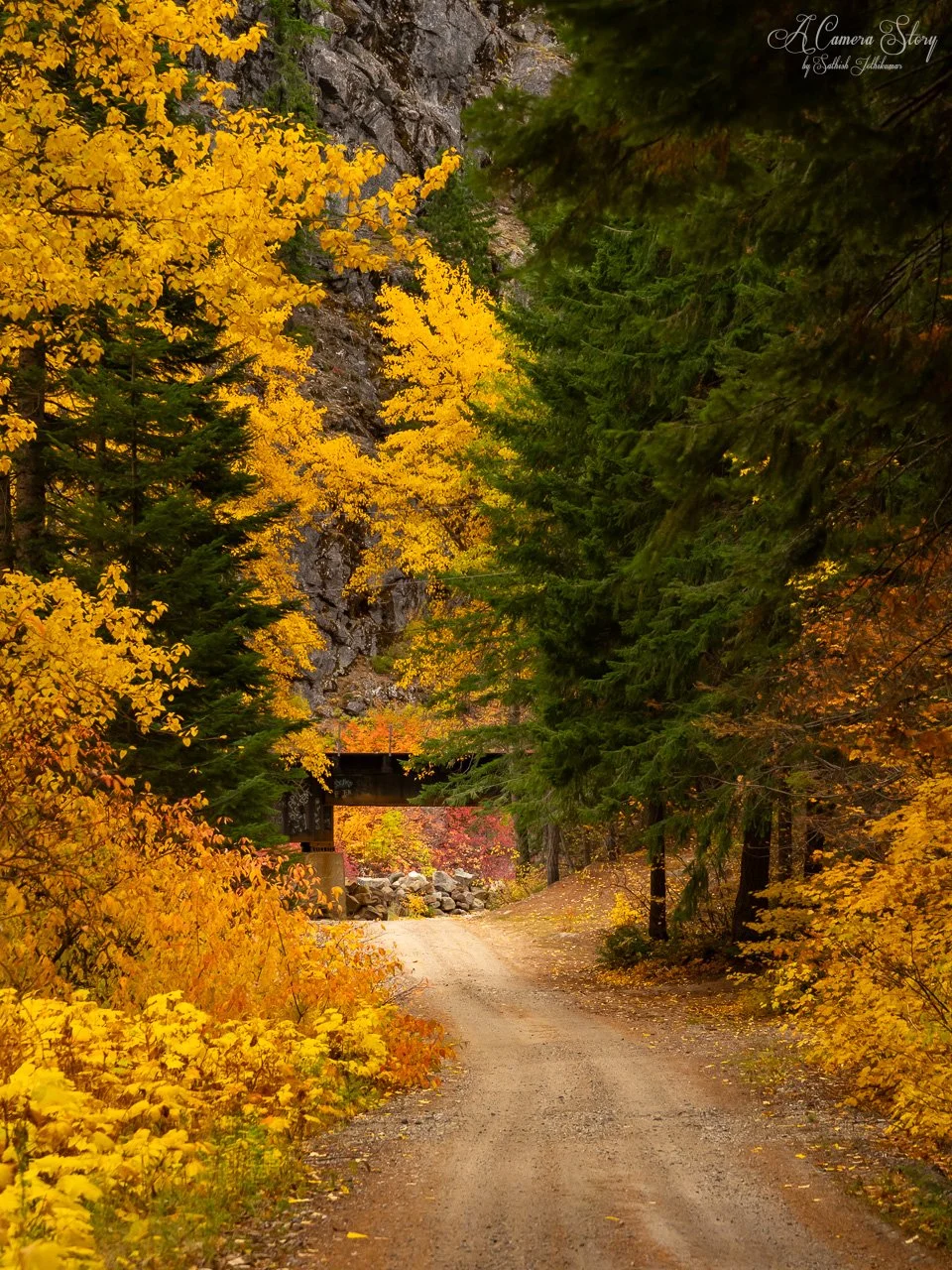
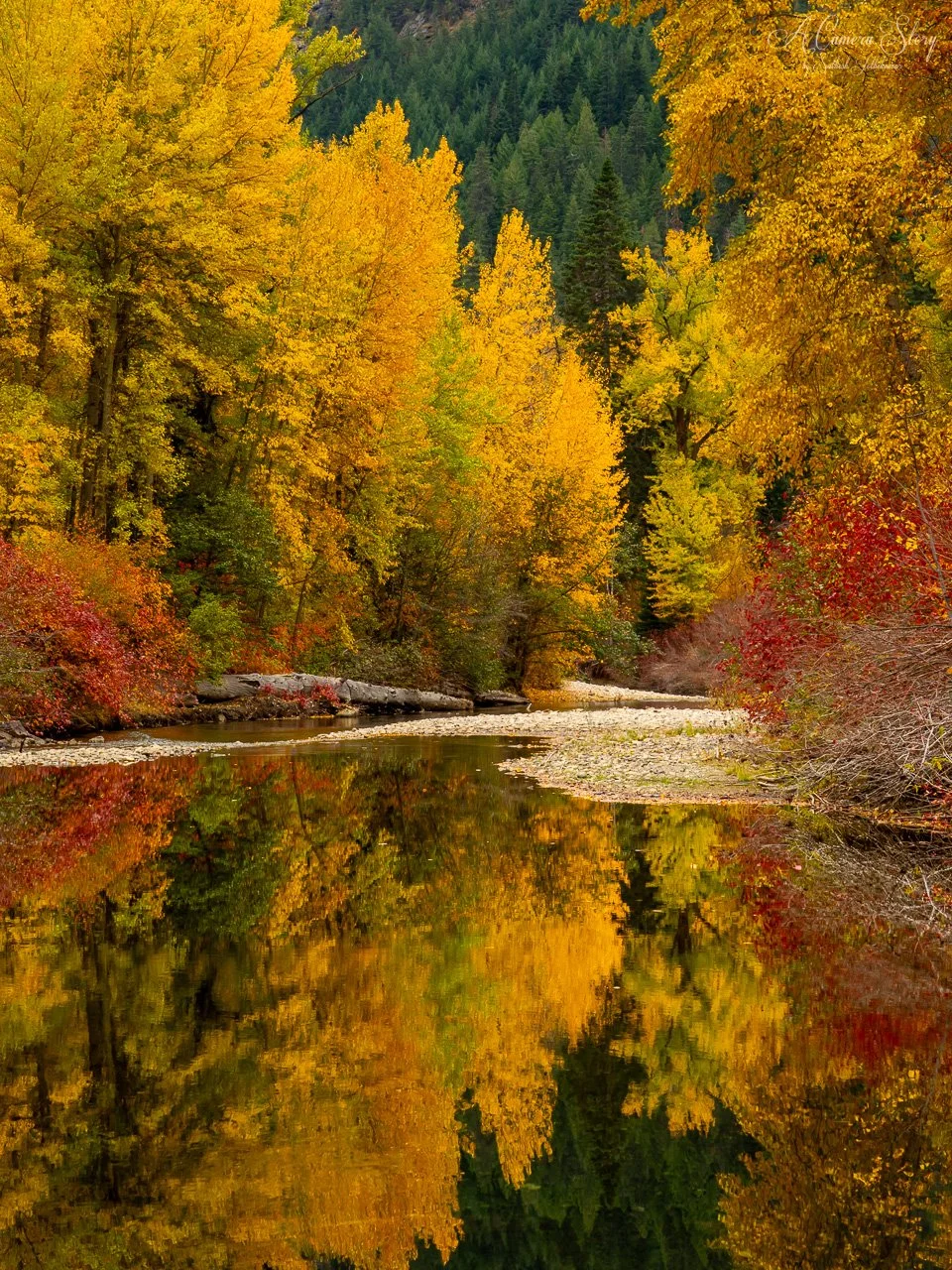
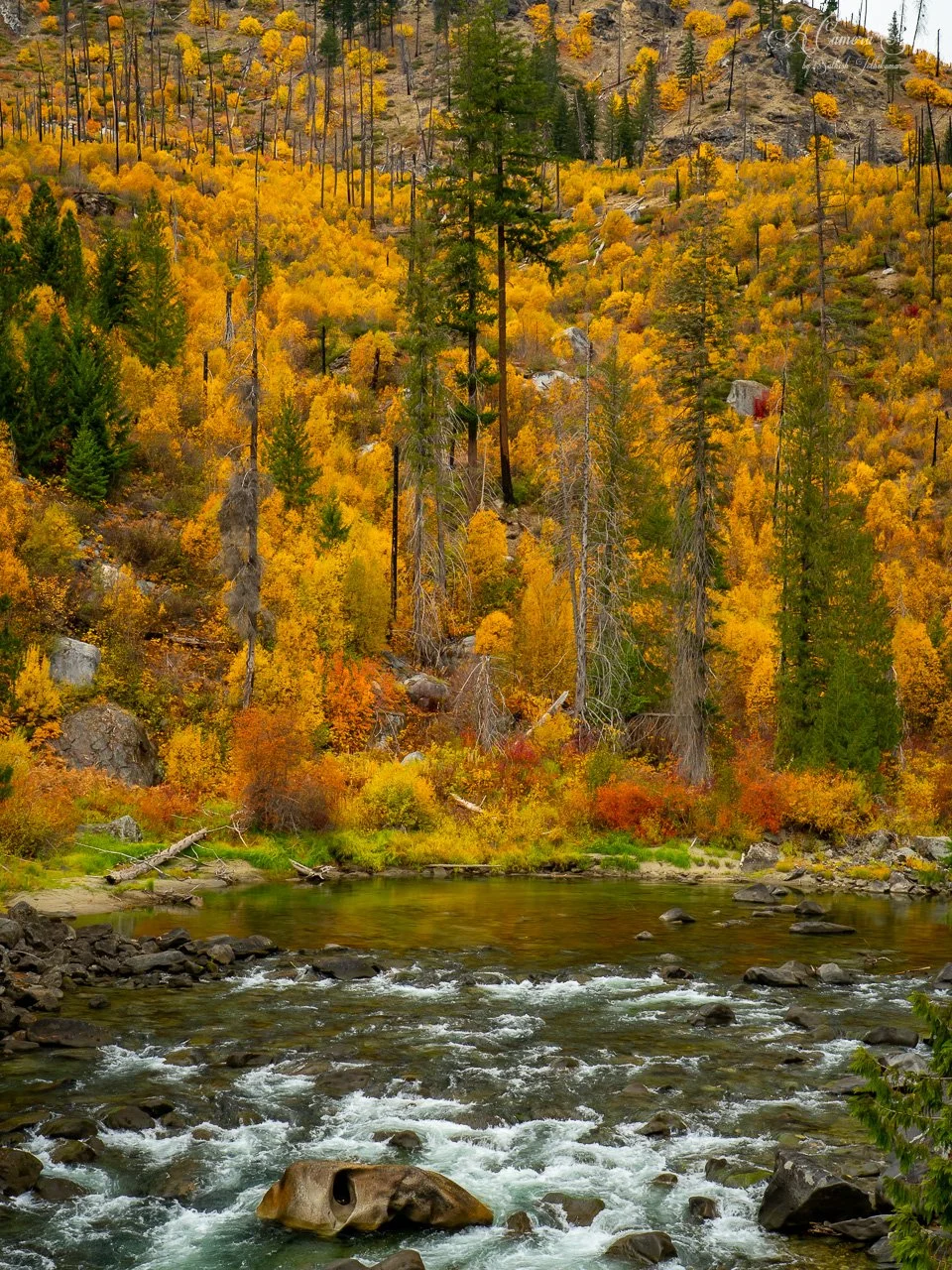
Colors in my backyard

One of the great ironies of landscape photography is how easy it is to overlook what's closest to home.

I've traveled thousands of miles to photograph autumn colors across the Continent, from New England's maples to Colorado's aspens and Washington's alpine larches. Yet in more than a decade, I'd never taken the time to explore the fall colors just beyond my doorstep.

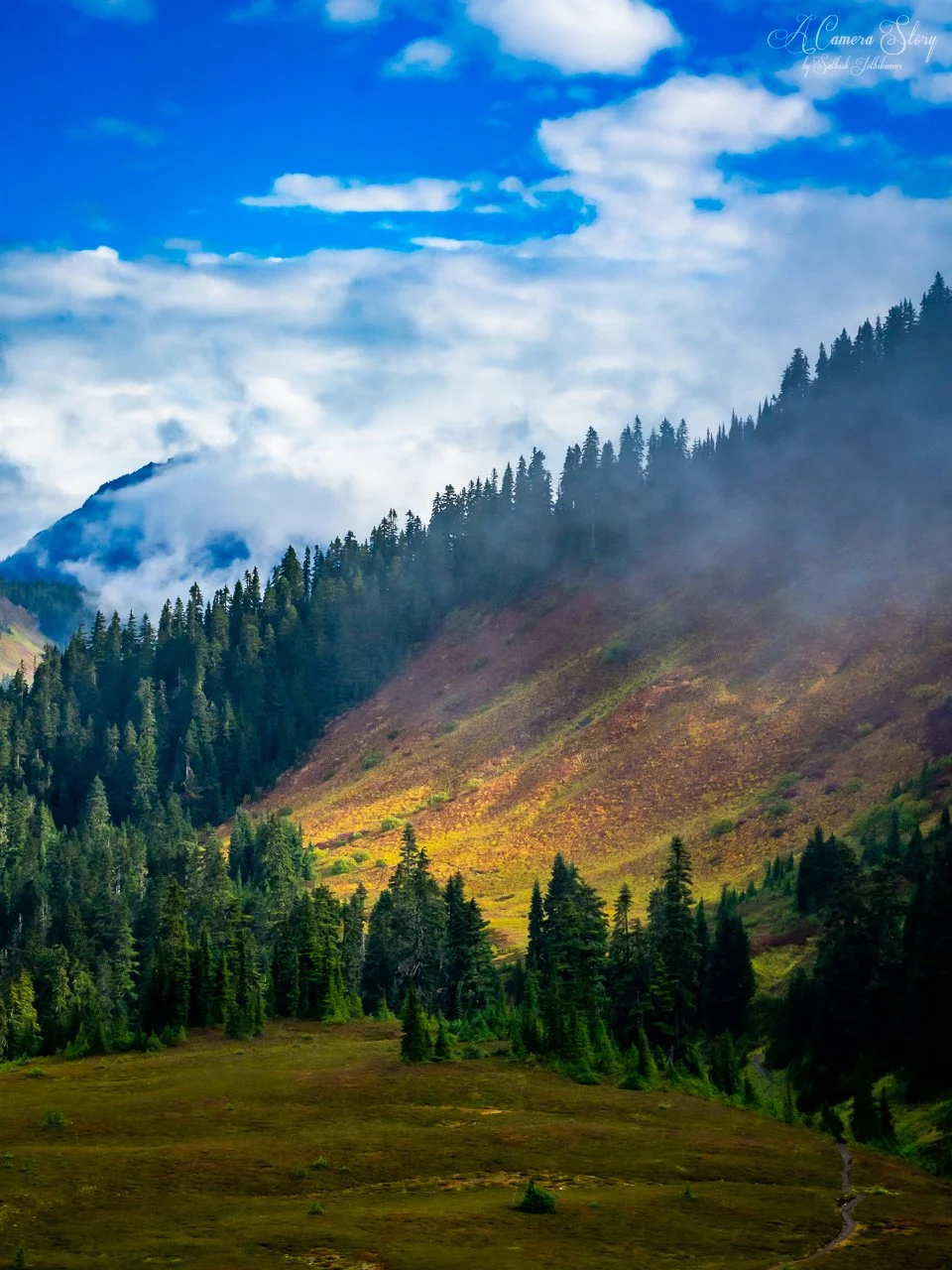
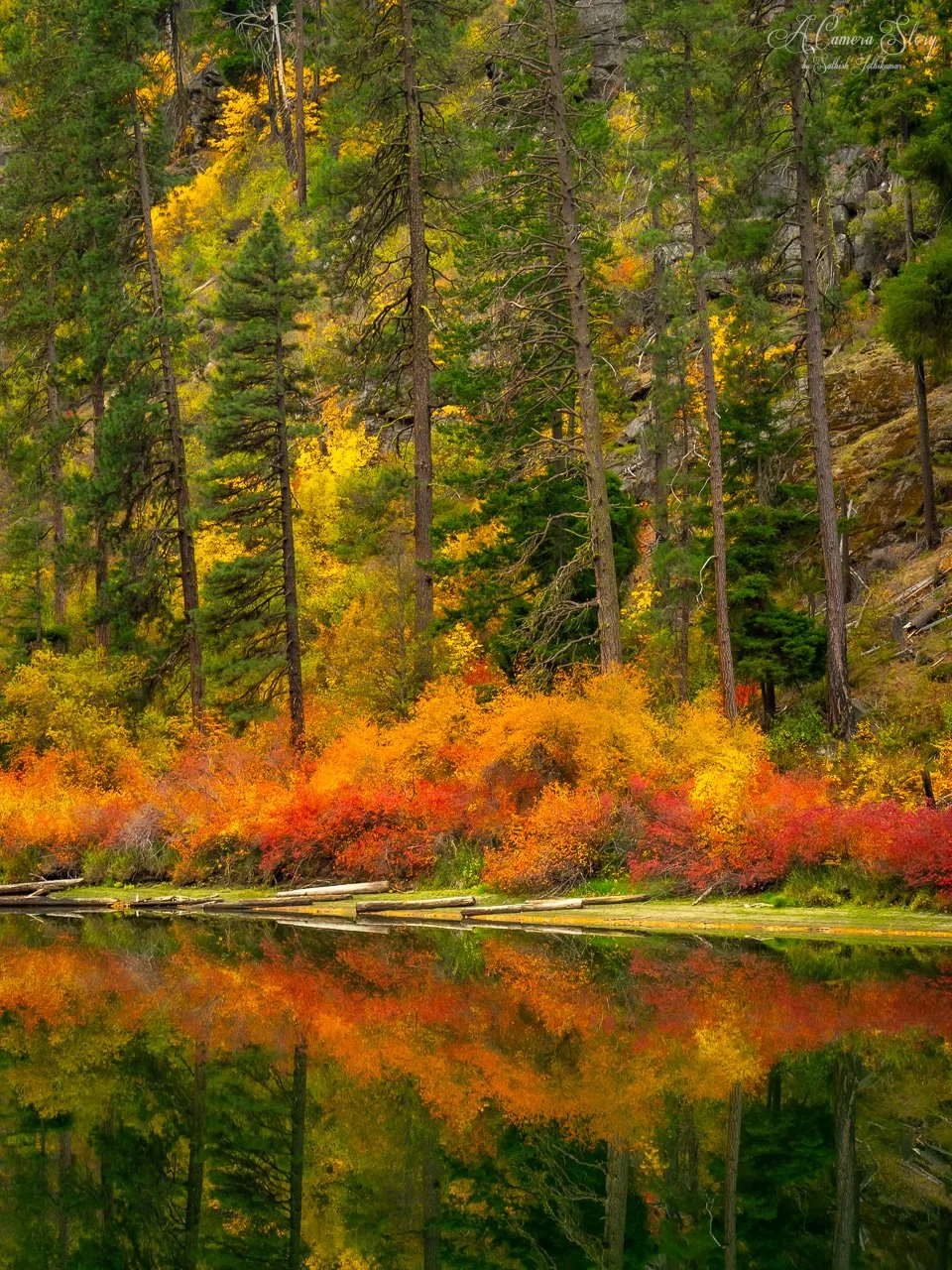
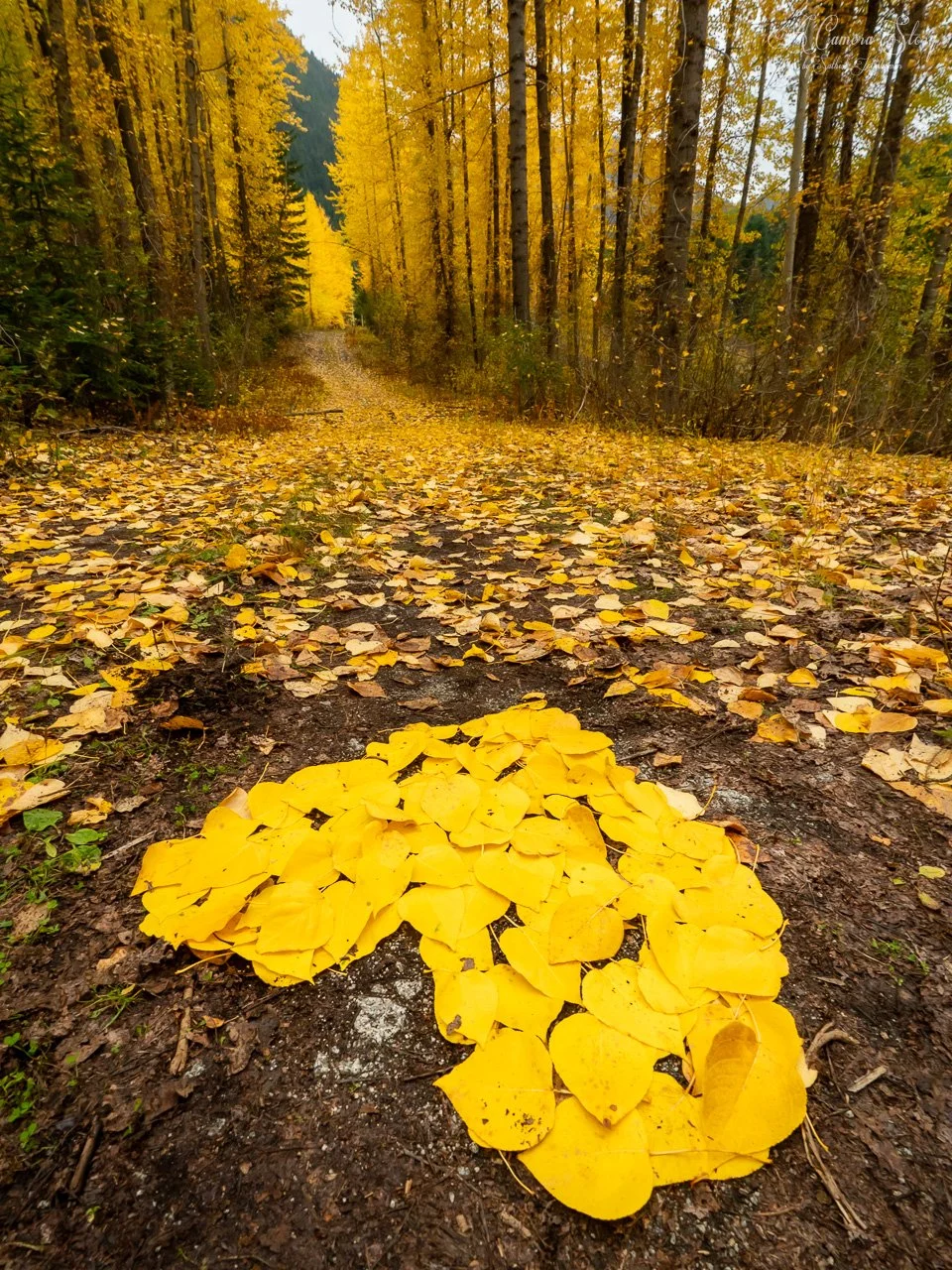
This weekend was a reminder of what I'd been missing. What began as a gray, chilly morning unfolded into a stunning display of color. Hillsides glowed gold, evergreens stood in contrast to brilliant aspens, and every bend in the road revealed another palette of yellow, green, orange and red. From sweeping vistas to intimate details, the entire forest seemed determined to put on a show.


Okanogan Wenatchee National Forest

WA USA
Havasupai

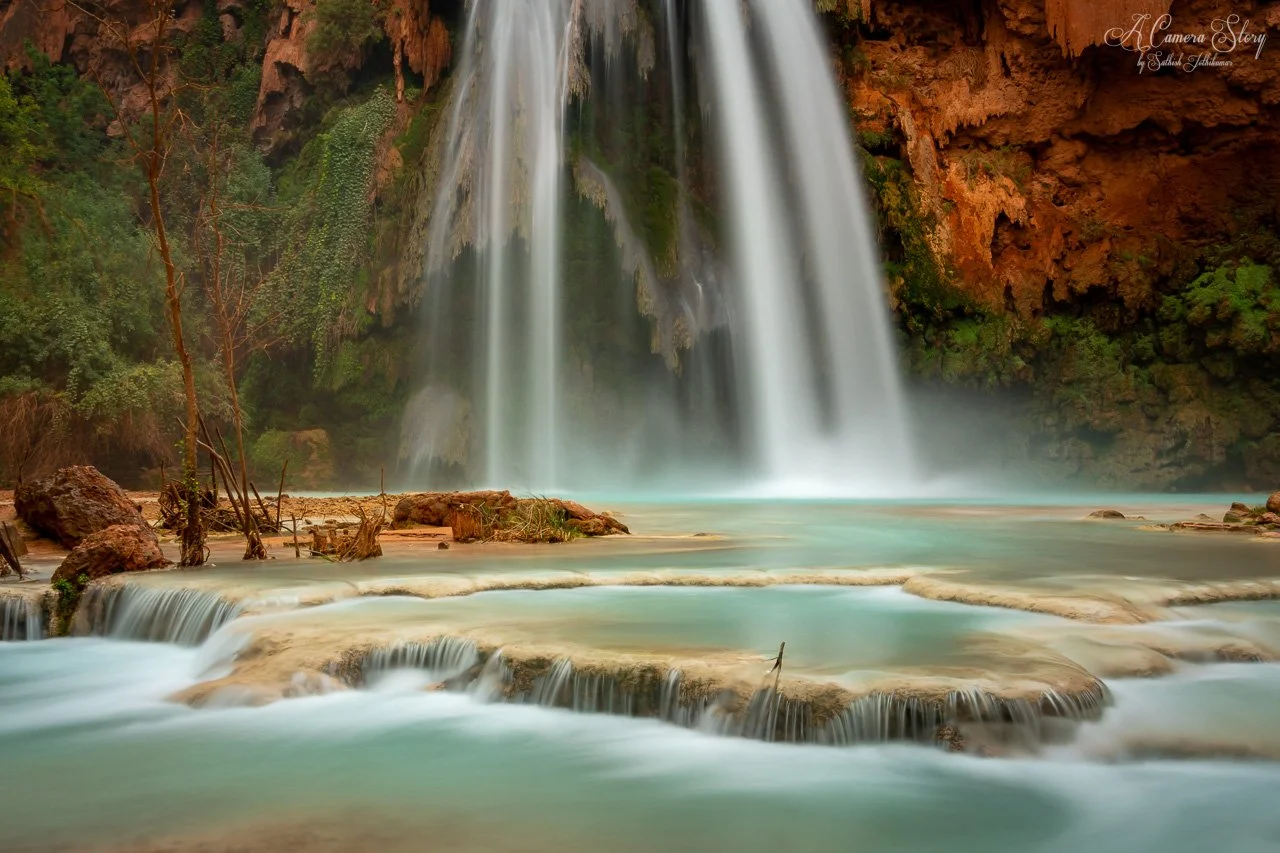
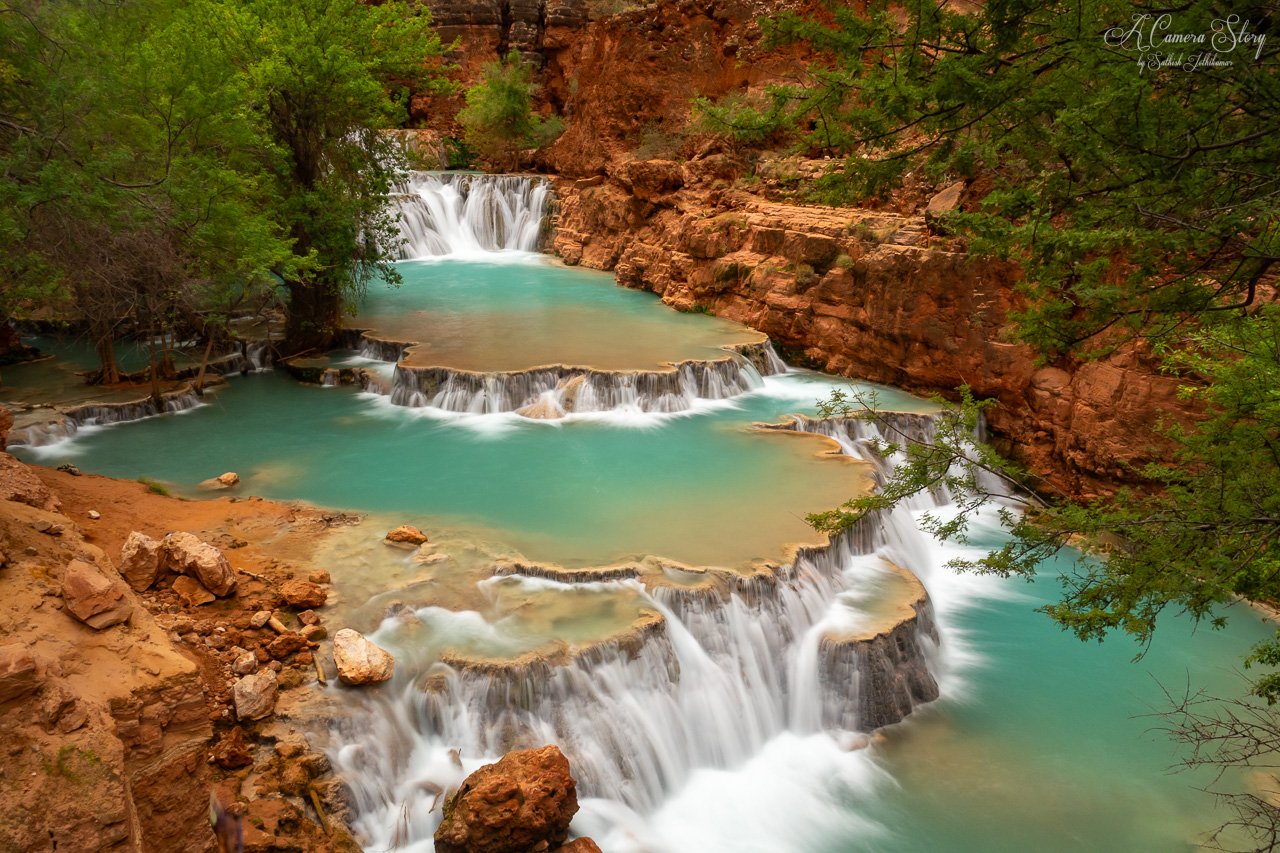
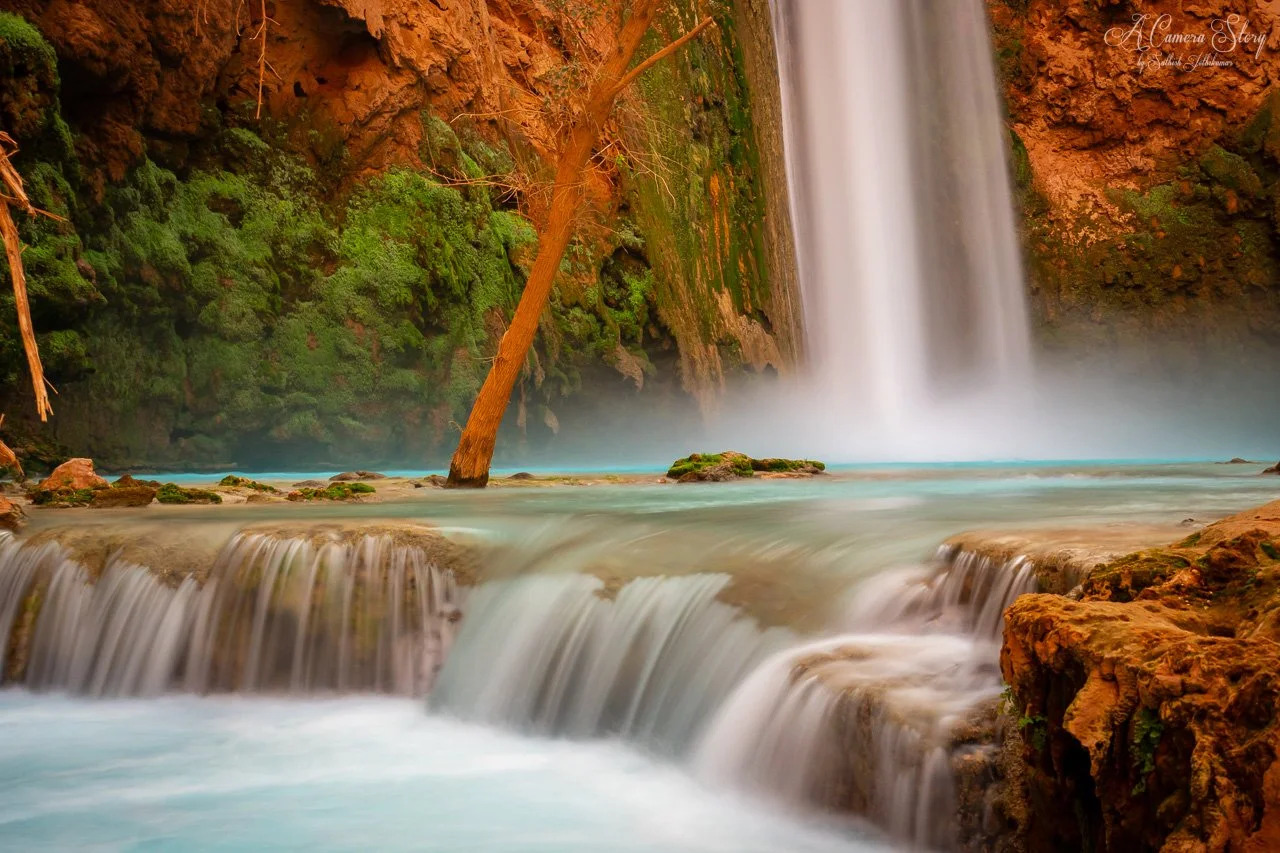
Havasupai feels almost unreal.

Hidden within a side canyon of the Grand Canyon, its famous turquoise waters owe their color to the high concentration of dissolved minerals, creating a striking contrast against the deep red canyon walls. For landscape photographers, it is nothing short of paradise.


The real challenge, however, was not finding the scene. It was finding the solitude.

With hundreds of visitors passing through each day, capturing these iconic waterfalls without people in the frame can be nearly impossible. Fortunately, a stretch of cloudy, chilly weather worked in my favor. The cold water and lack of sunshine kept most swimmers away, leaving brief moments of stillness among the cascades.

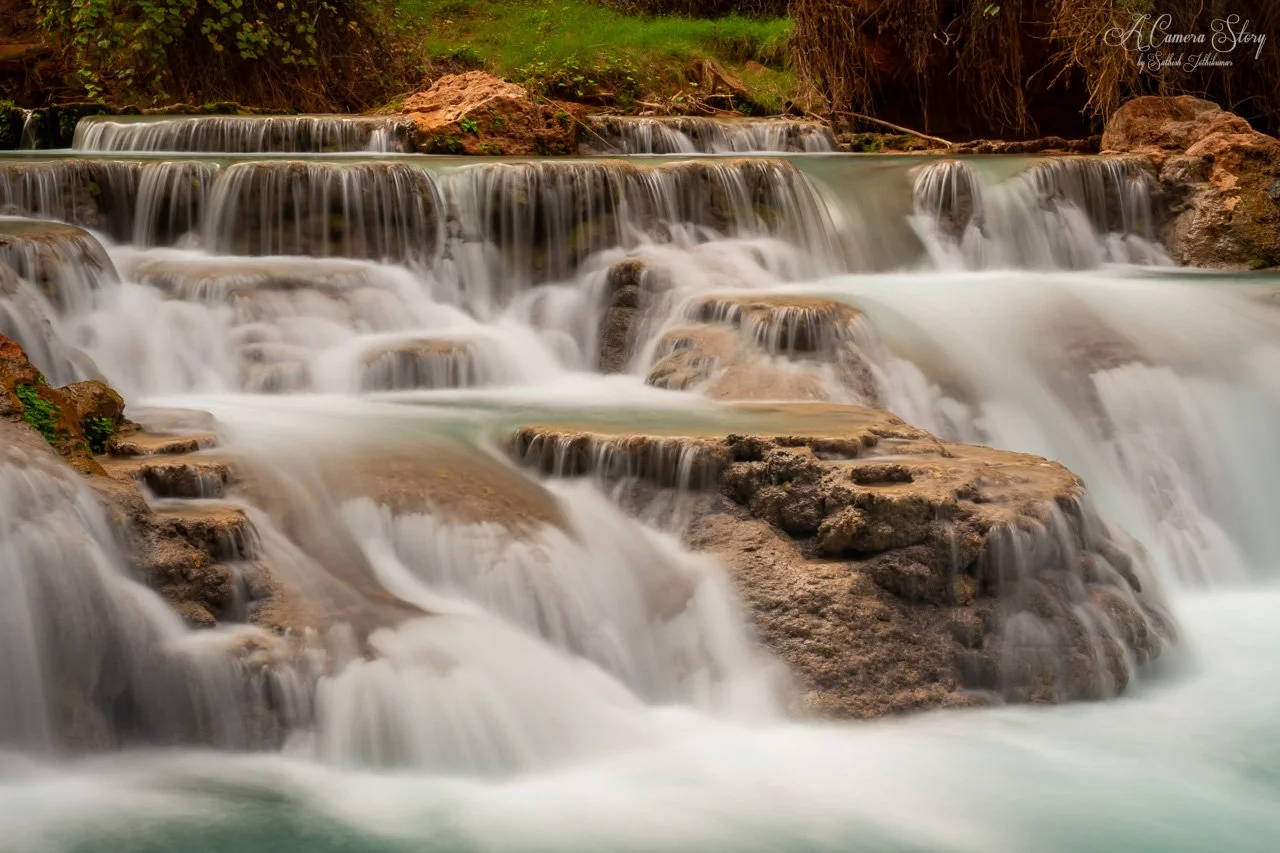
Those quiet hours allowed me to capture both classic compositions and fresh perspectives of Havasupai's azure waterfalls, where silky blue water tumbles through limestone travertine pools carved over centuries.

Havasupai Indian Reservation
AZ USA

From Fall to Winter

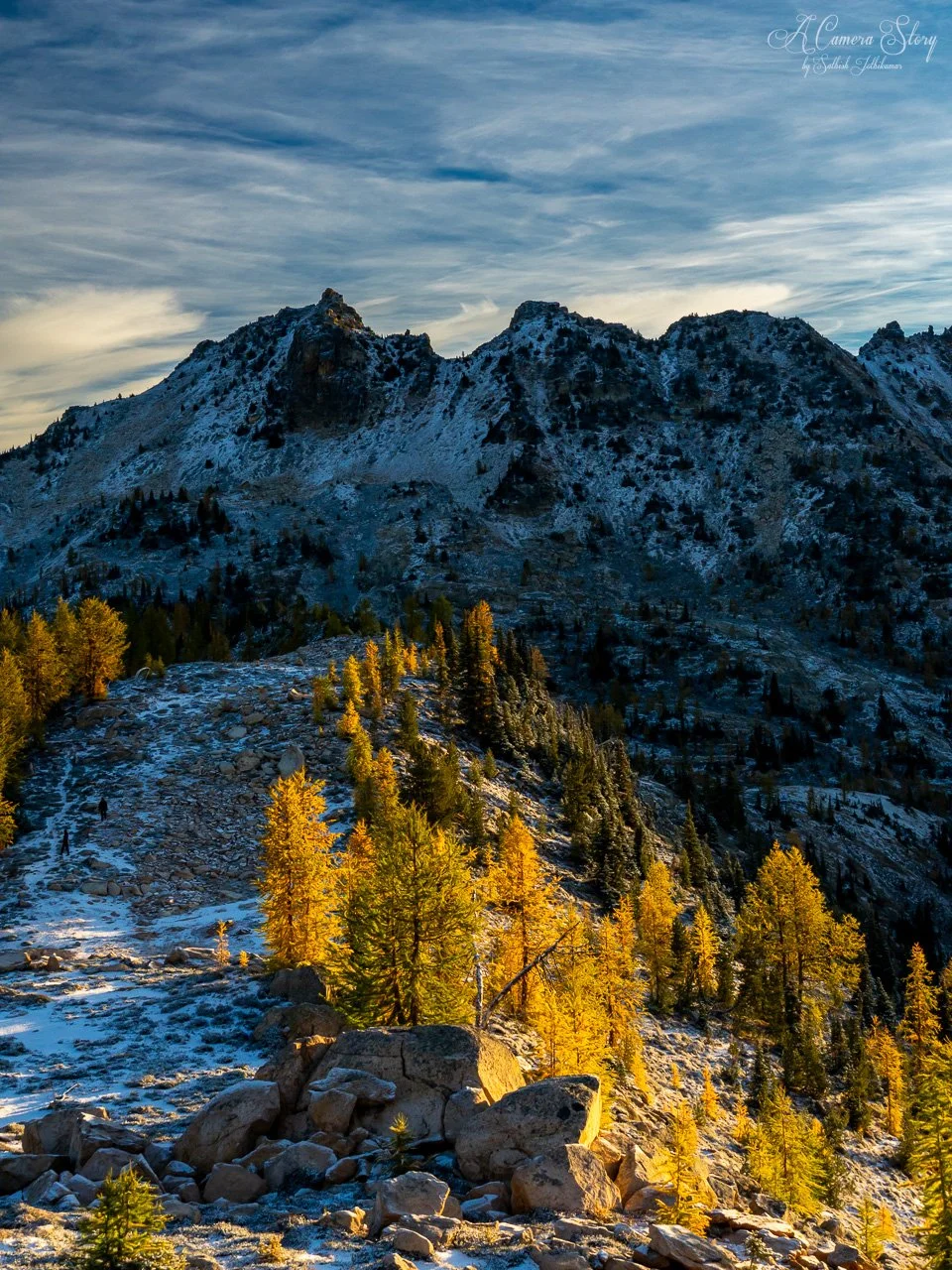
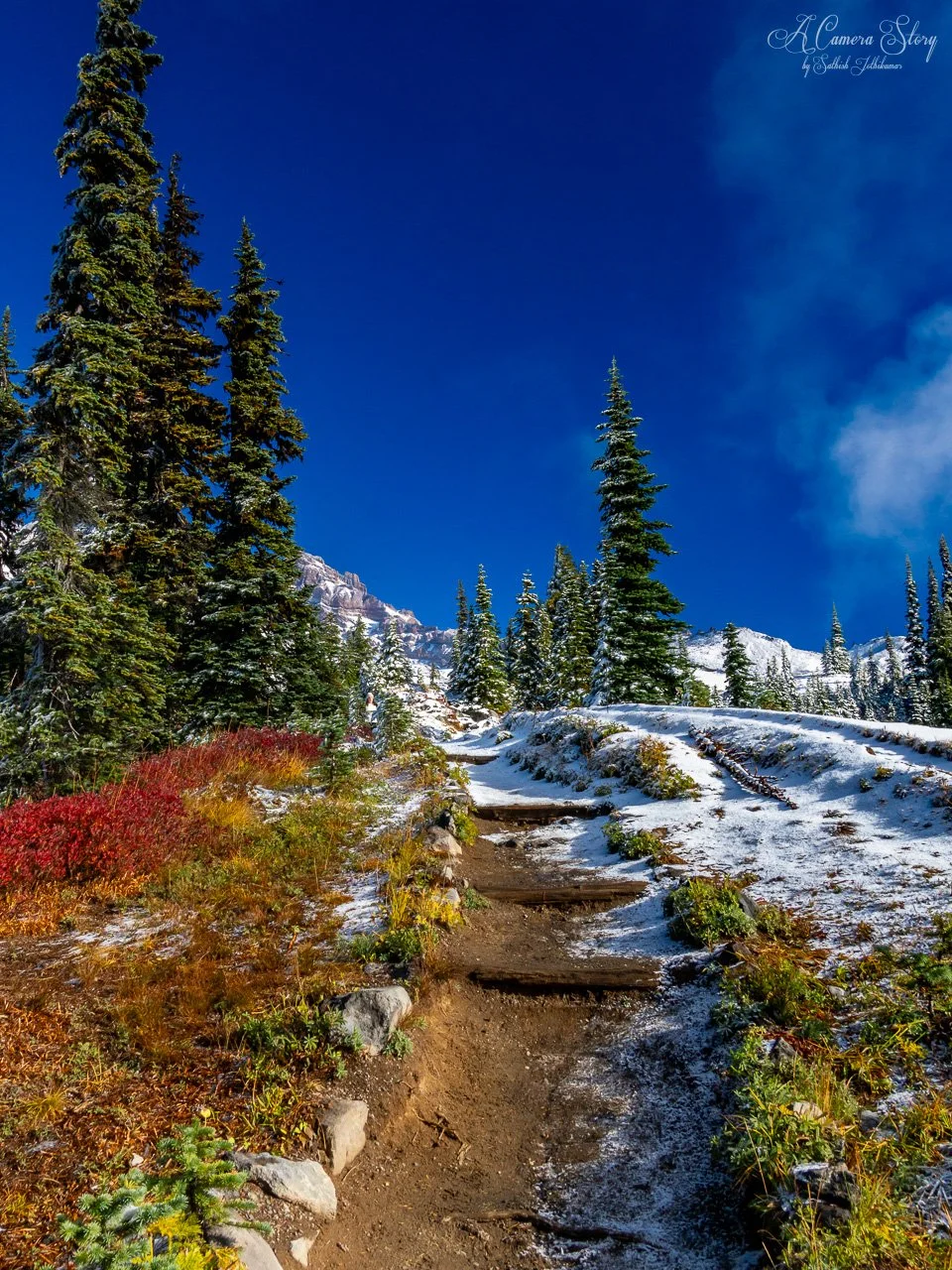
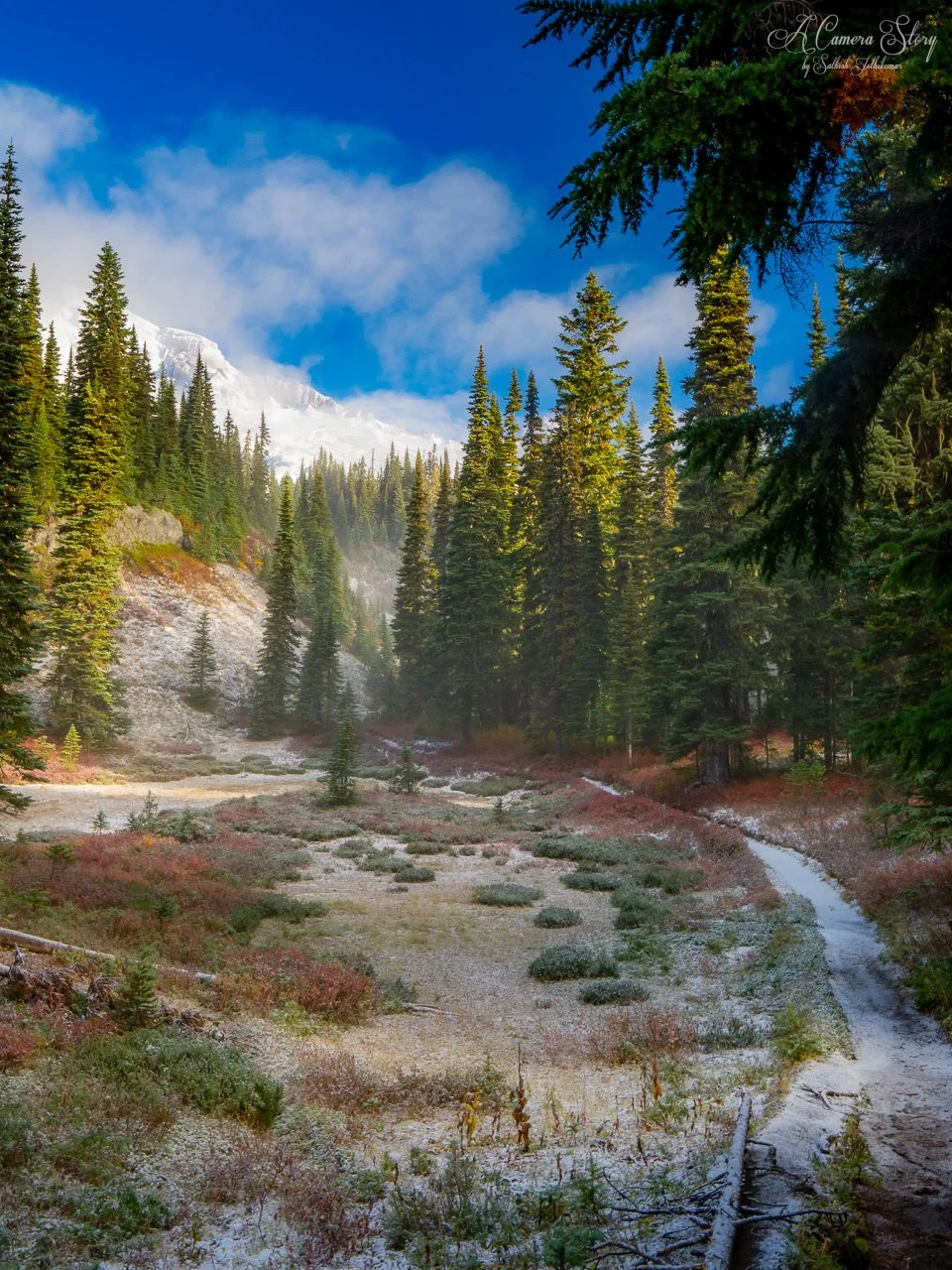
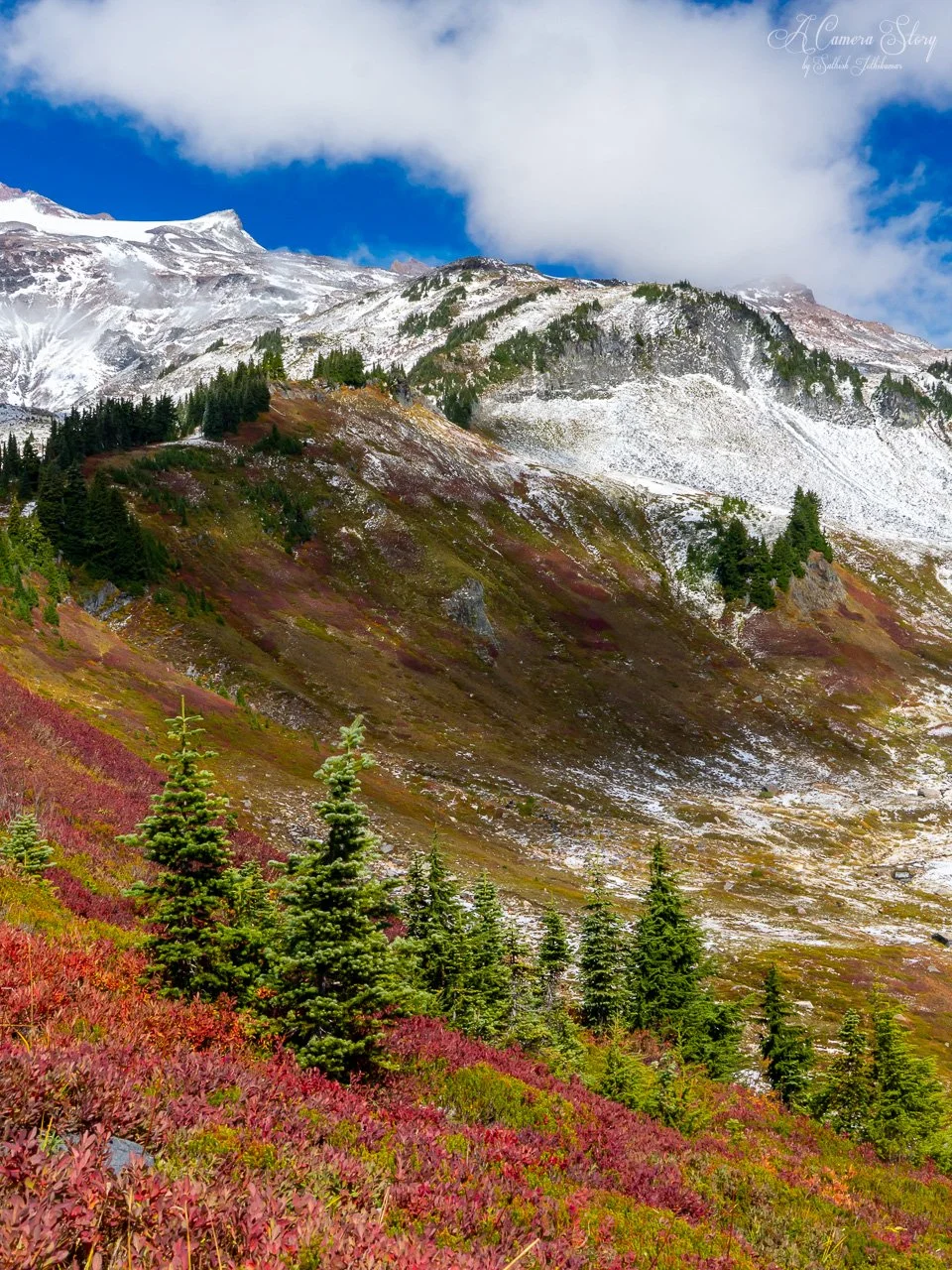
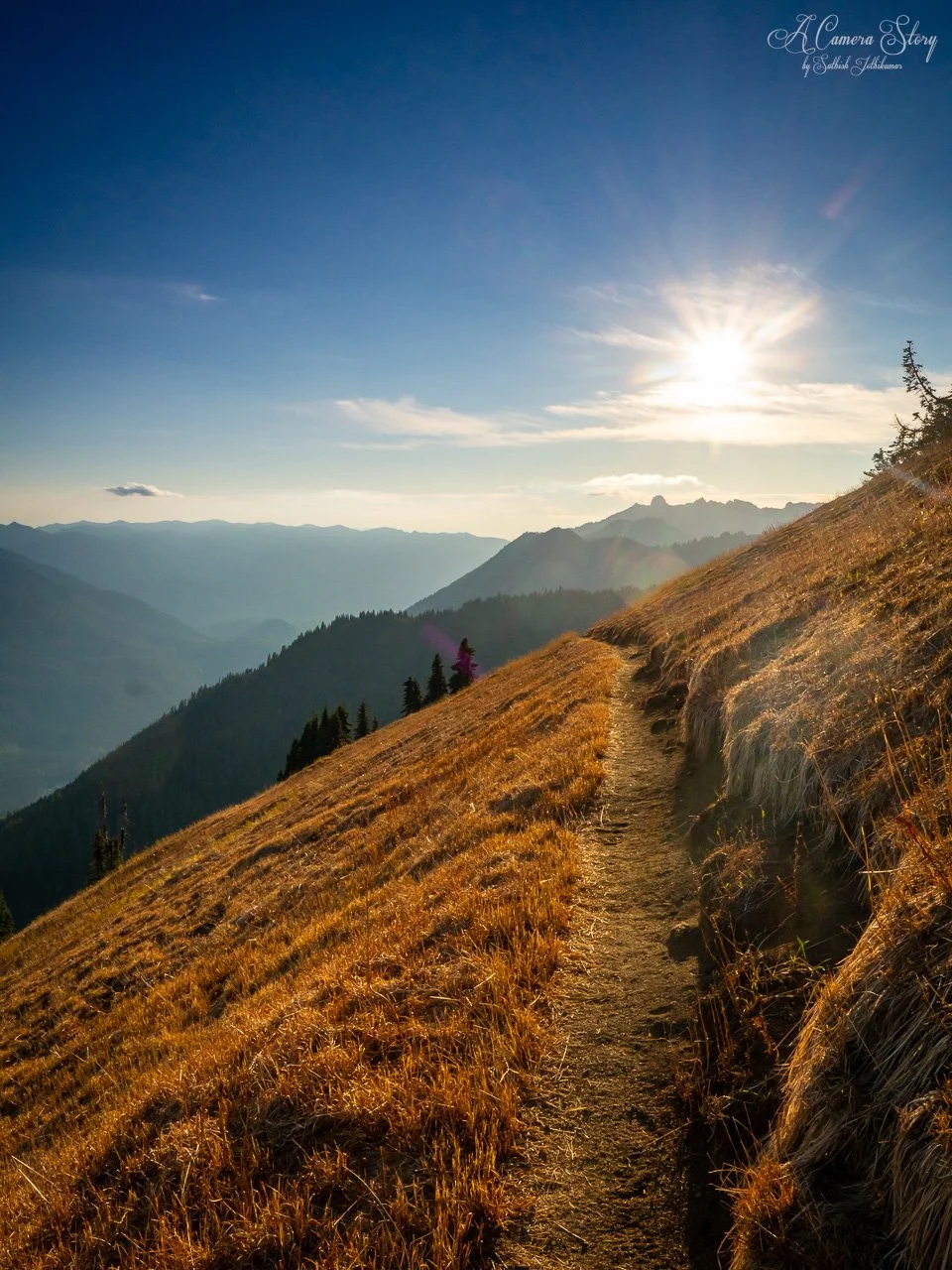
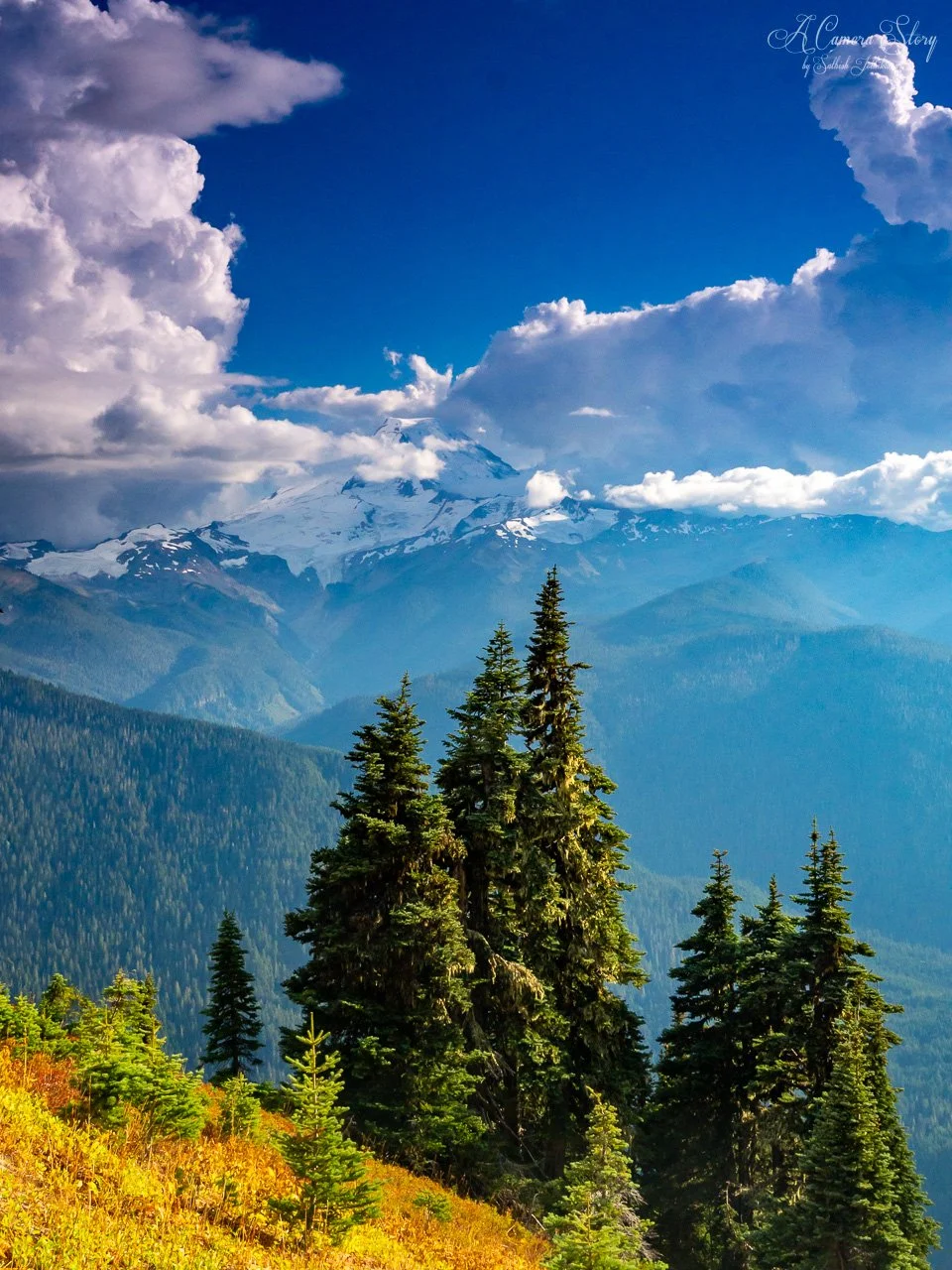
In the Cascades, autumn doesn't arrive on a set date—it descends from the peaks.

Long before lower valleys turn, September coats the high alpine brush in striking scarlets and ambers. Golden larches shine for a brief, glorious moment, and then—almost overnight—the first snow of the season dusts the upper slopes.

There is something profoundly special about this transitional period where late fall meets early winter around Mount Rainier and the North Cascades.

Washington, USA

The Cascading Larches

Often times, the larch march in early October in the Pacific Northwest has felt like a maddening rush to capture the best of the colors. And everyone seems to have the same idea, leading to overcrowding on trails and trailheads (one trailhead had cars parked for an entire mile along the road on both sides).

So this trip focused on a more remote location in the North Cascades National Park. While it was not the crowning glory of larch colors, the region still presented many unique larch perspectives for photography which I really enjoyed. And I could count the number of souls I met on the trail on 2 hands!

North Cascades National Park
WA USA

Fall in the High Divide

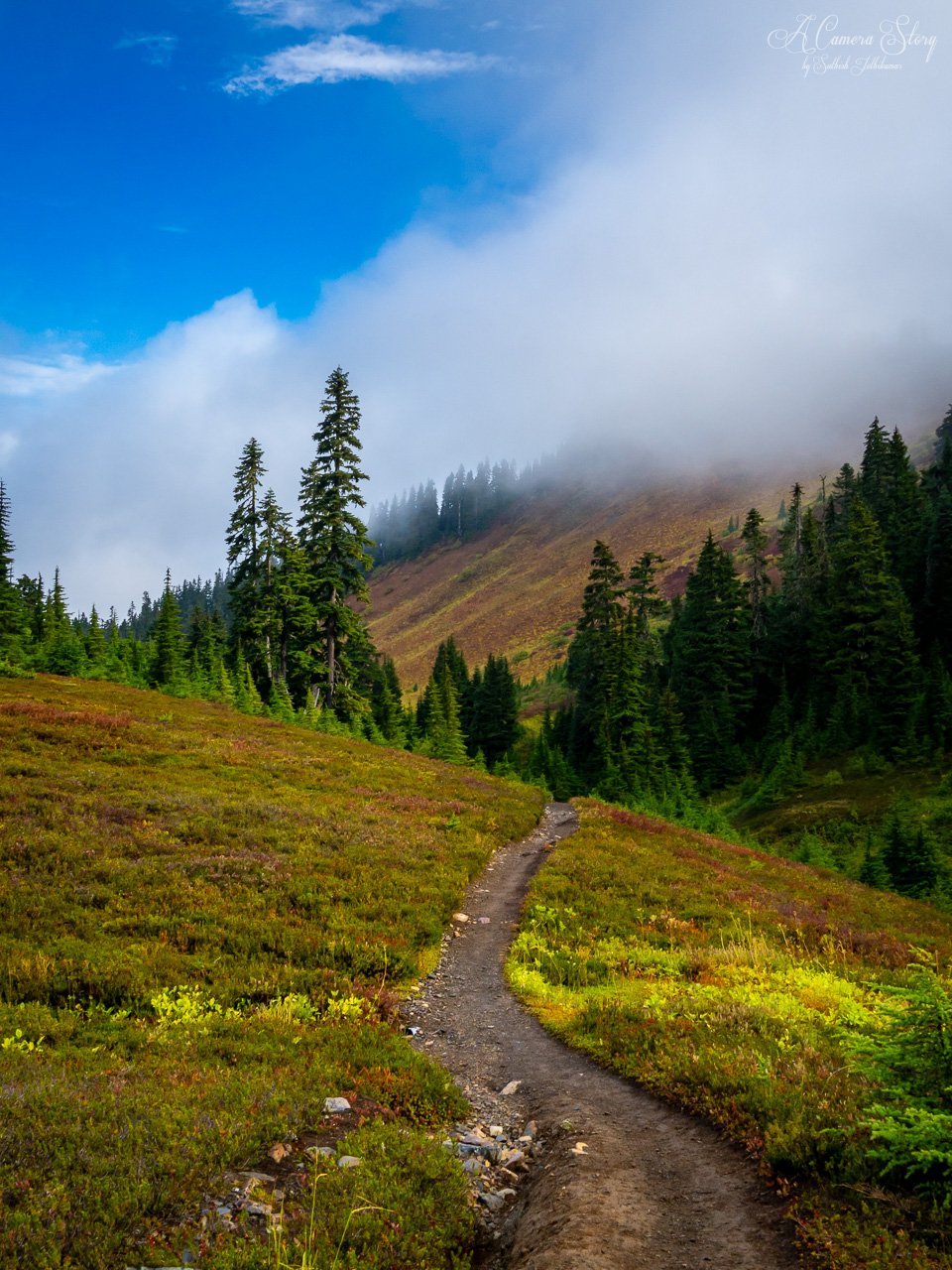
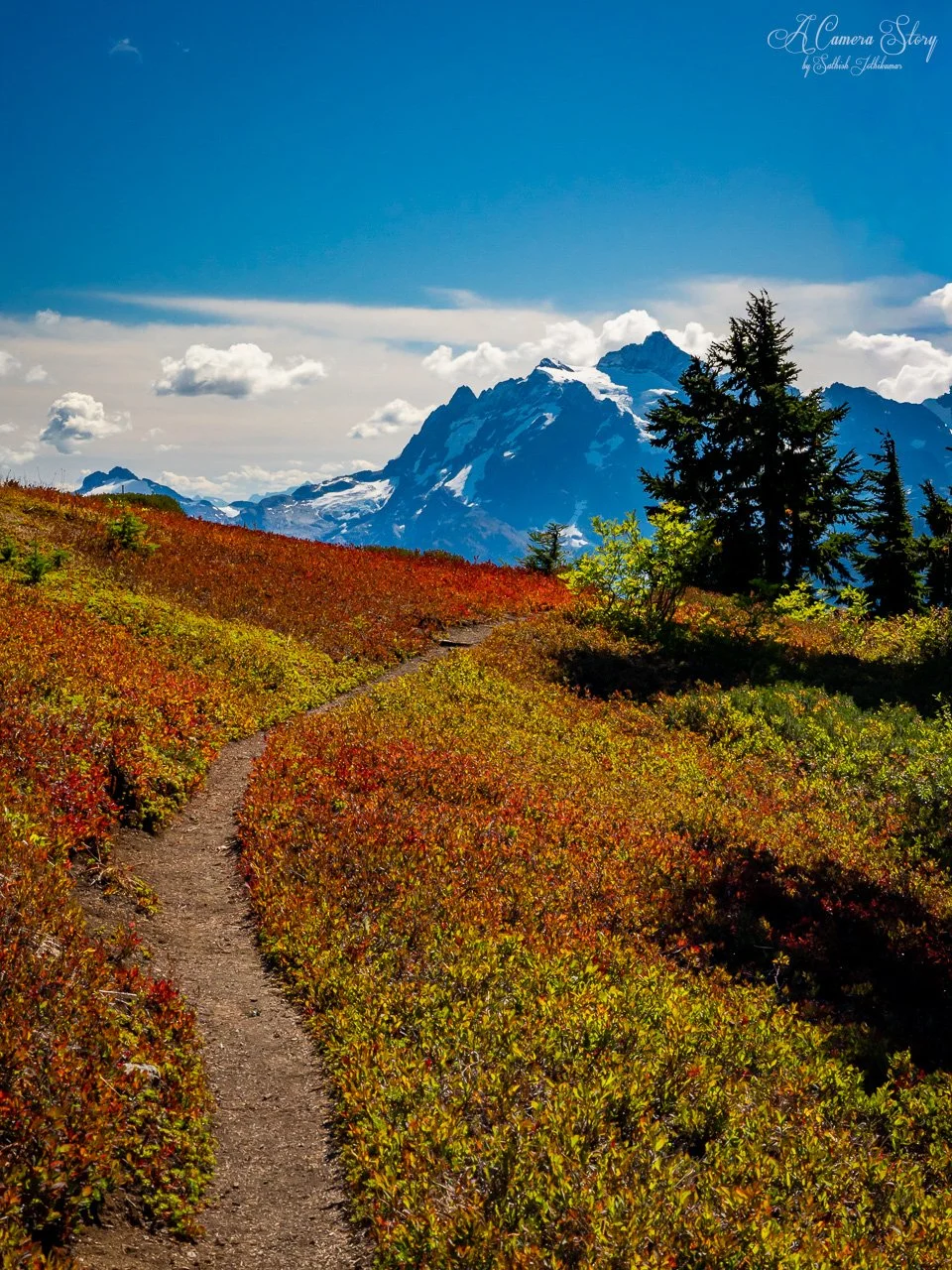
Fall has certainly arrived early in the North Cascades this year. The high alpine bushes, typically blueberry and other small shrubs are teh first to turn, signaling the end of summer. The spots where I previously used to see the transition of color in mid-September are now changing their shade much earlier. was it due to the cooler than average summer, or the lower than average precipitation - I am not sure.

However, the colors did make for a very photogenic hike through the higher sub-alpine terrain of the North Cascades. A little bit of disturbance in the atmosphere also added a bit of drama and depth to the scene. The easy access to so many dreamy vistas is why I keep coming back month after month to the same location.

Mt Baker Snoqualmie National Forest
WA USA

Flourescence in the Dunes

As the bush plane flew low over the marshes and swamps adjoining the Kobuk river, I was left to wonder when this terrain would take on a desert appearance to support sand dunes. It never did - the marshes, interspersed with boreal spruce forests that was cut by meandering waters of the wide Kobuk river, continued endlessly until suddenly it just became sand. 4x4 and snowmobile tracks in the marsh suddenly disappeared. After that, it was just miles of endless sand. 

That abrupt transition between forests and waterbodies and sand-dunes were features I experienced at multiple places in the park, and that juxtaposition was just shocking how many ever times I looked at it. And the transition zone was a timeless battle between the advancing forests and the advancing dunes, and who lost or won was just decided by precipitation and prevailing winds. The one constant was the mosquitoes, they were relentless in these transition zones.

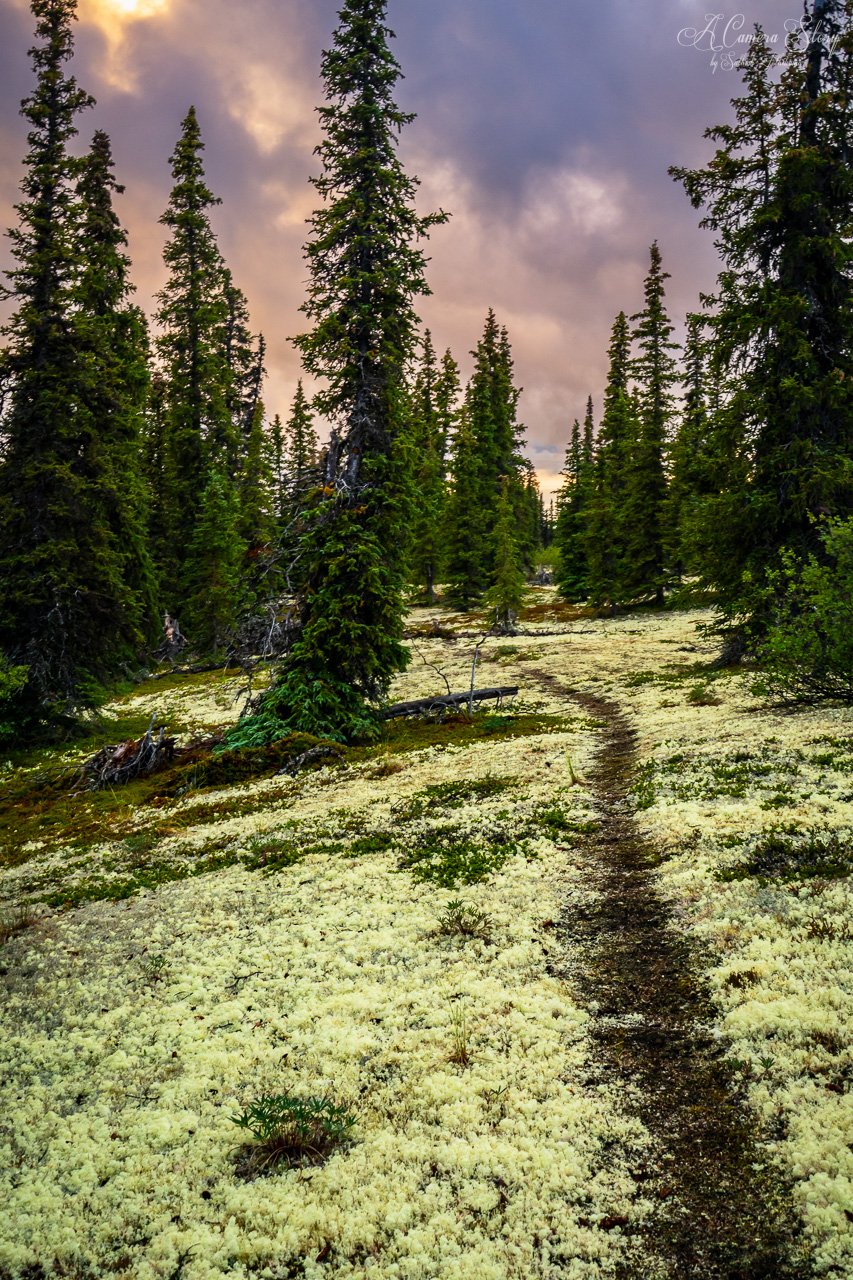
One spot on the transition zone features these beautiful lime-green reindeer lichen that carpeted the forest floor. In the late evening (11pm) light, they had a light fluorescent glow unlike anything else I had seen. 

Kobuk Valley National Park
AK USA

A Sky Set in Motion

10,000 snow geese erupted into flight, their honking a wild symphony echoing across the Skagit Valley. The air pulsed with movement, the scent of damp earth and feathers grounding the spectacle. It was chaotic, yes—but utterly mesmerizing.

These Arctic travelers spend their summers nesting in Siberia before journeying thousands of miles to overwinter in the fertile fields of coastal Washington and British Columbia. Some continue south to California, while others linger here—unwelcome guests to farmers, but pure magic to photographers.

I hadn’t expected such a massive flock this early in the season. But witnessing their synchronized dance—rising, settling, rising again—was a gift I’ll never forget.

Bonus: Trumpeter swans competing for attention from the snow geese gathering in the valley.

Skagit County
WA USA

Olympic Spring

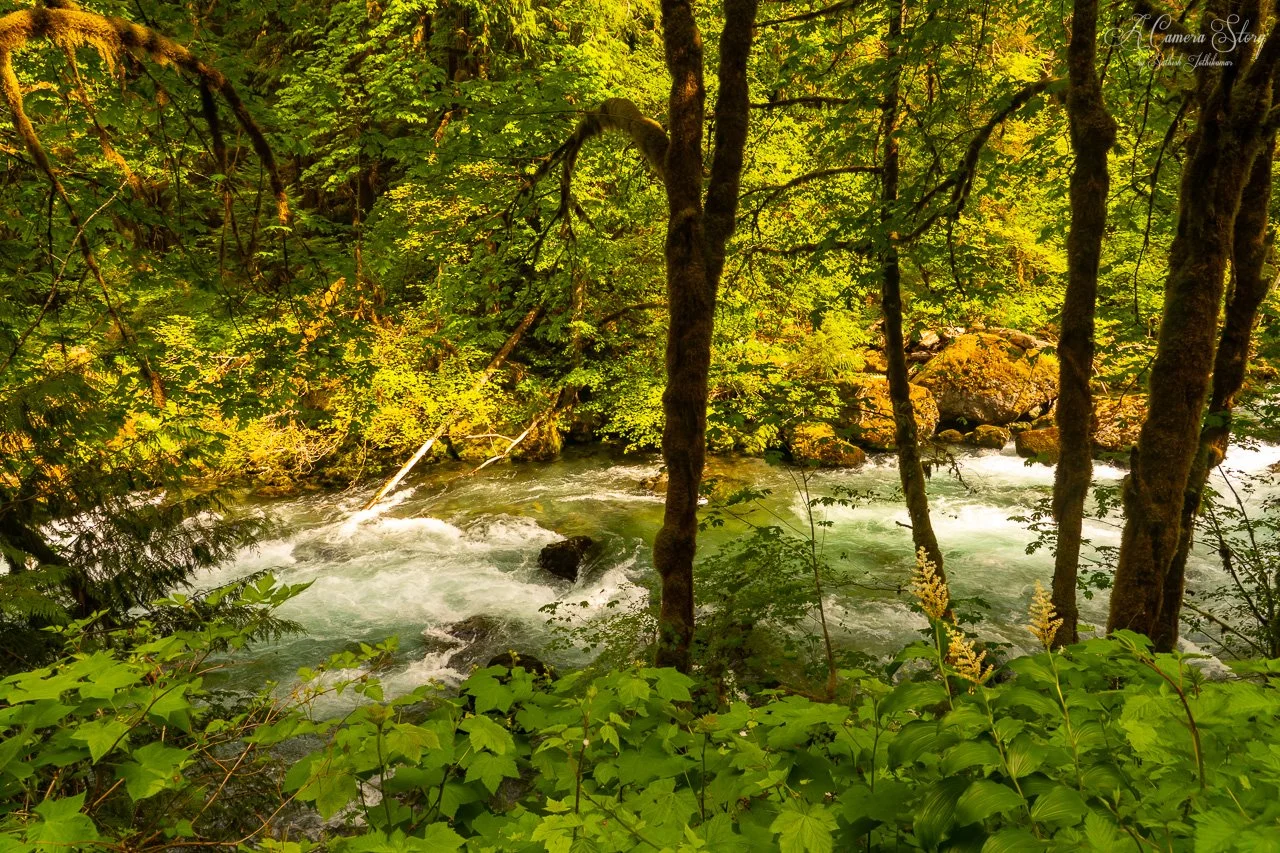
Deep in the valleys of the Olympic peninsula lay enchanted forests where towering trees stand stalwarts to a rich emerald green undergrowth. These forests, which enjoy abundant rainfall, are home to a labyrinth of winding paths that invited hikers to explore serene beauty of nature's untouched splendor. Moss drapes over fallen logs like velvet, ferns unfurl in the cool mist, and the filtered light weaves a dreamscape of greens. Every step into this realm feels like crossing into a timeless sanctuary of an ancient land.

I got to explore this enchanted land earlier this year during its peak spring growth. Decades ago, this campground was a more developed establishment that has since then been slowly taken over by nature.

Olympic National Park
WA USA

Spring in the Palouse

The Palouse region of eastern Washington is a striking landscape of rolling hills, shaped by a unique climate in the rain shadow of the Cascades. While the western Pacific Northwest stays lush and green, this drier area is ideal for growing legumes, grains, and oilseeds.

From higher vantage points, you can see the vast farmland stretching out, marked by silos, barns, and intersecting roads. On a clear spring day, the blue sky is filled with white clouds, creating a strong contrast with the green fields below.

Much of the native vegetation has been replaced by agriculture, but small pockets remain along creeks and atop the buttes that rise above the region. If you visit now, you’ll get to experience this seasonal transformation firsthand.
Palouse, WA, USA

Nature's Gold

"Nature does not tarry, yet everything is accomplished. " - Lao Tzu

I was reminded of this quote as I walked through a vast wildflower meadow somewhere in Chelan county. I witnessed the amazing spectacle of all these plants flowering at the same time with remarkable precision. And yet, this arose from a process that unfolds with purpose and balance, never hurrying, and just following the rhythm set by nature.

By embracing patience and letting go of the need to control, we can find harmony and fulfillment, just as these plants found their fulfillment with their synchronous superbloom.

Okanogan Wenatchee National Forest
WA USA