usa

Fall in the High Divide

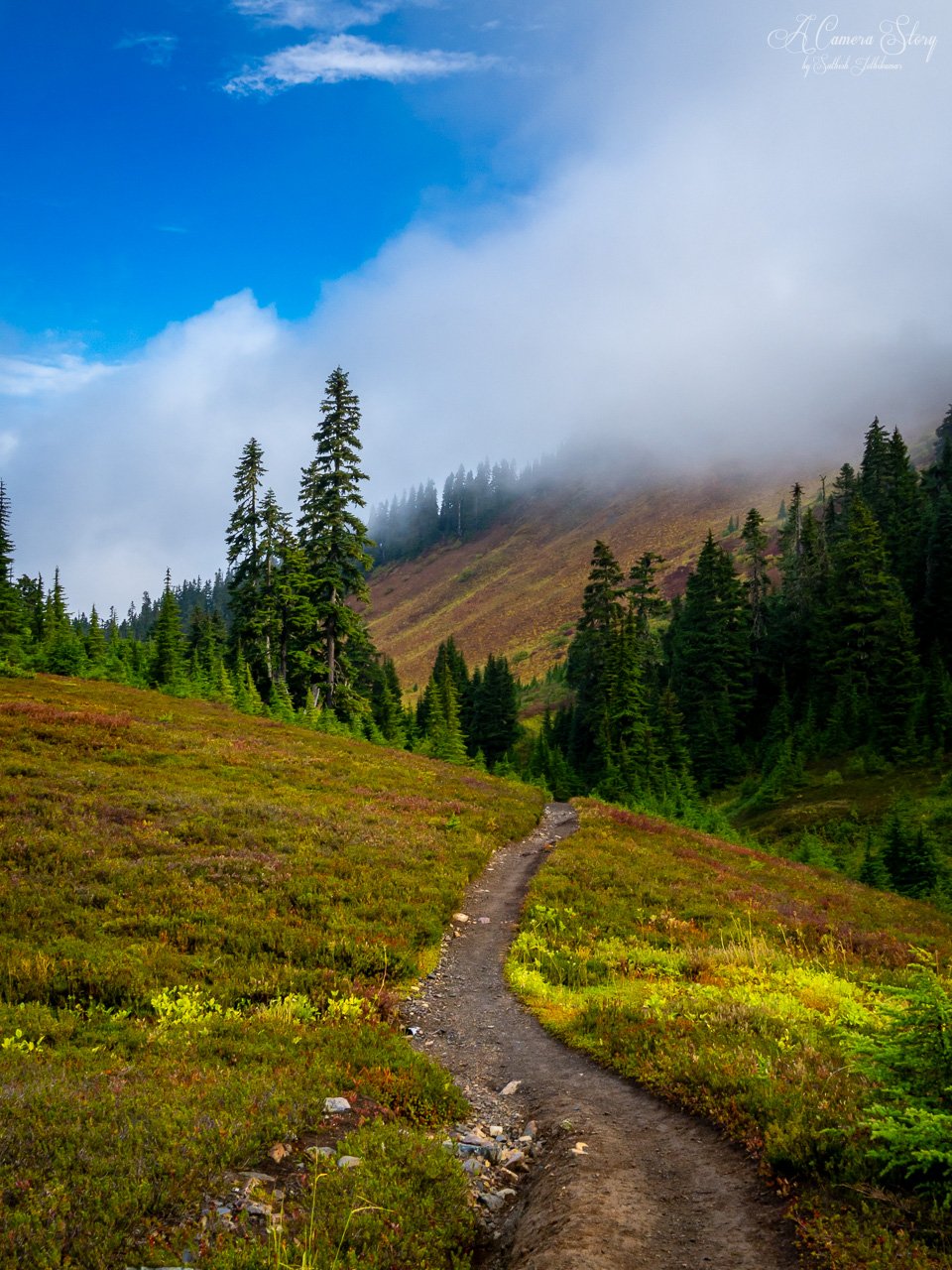
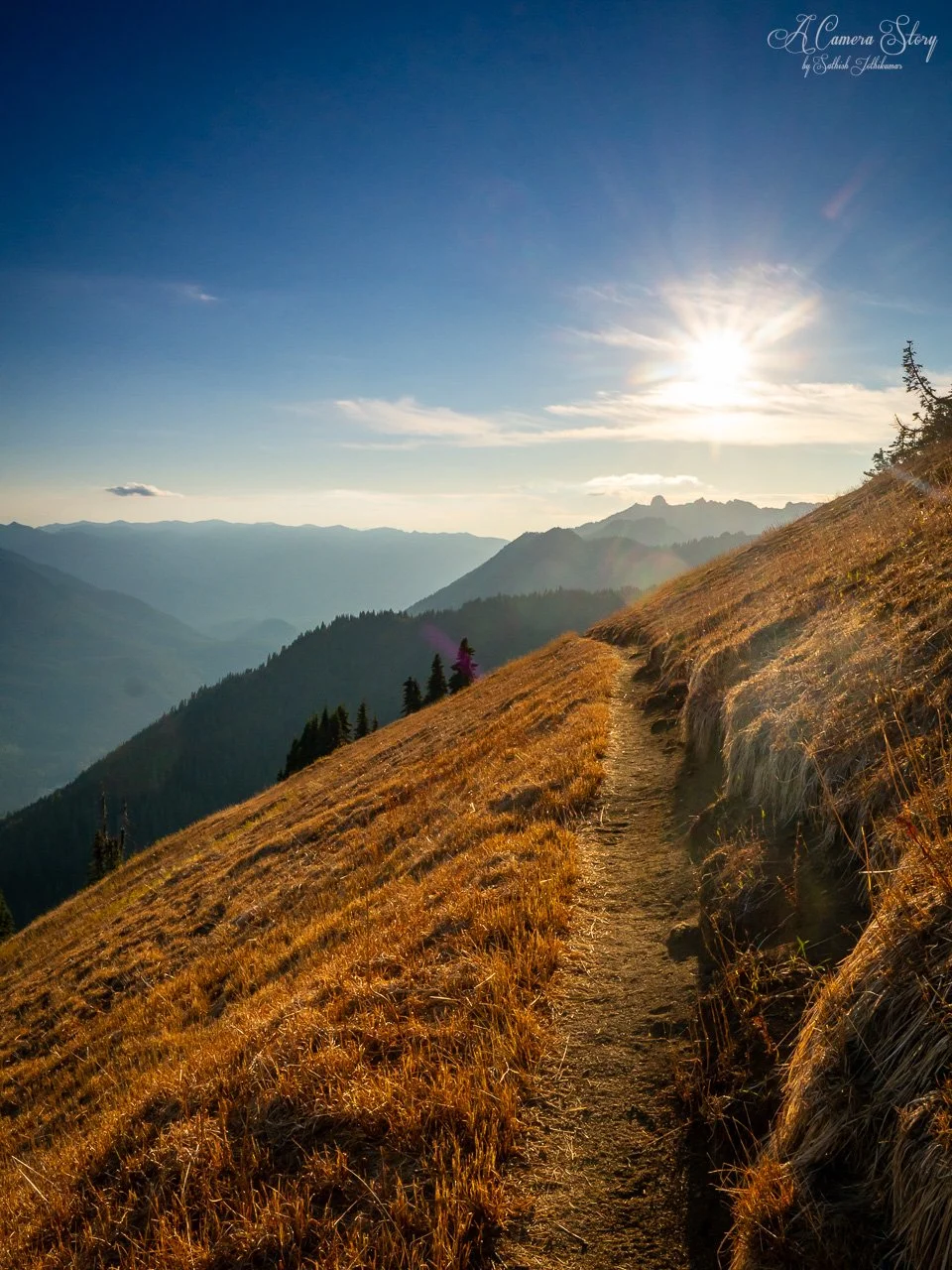
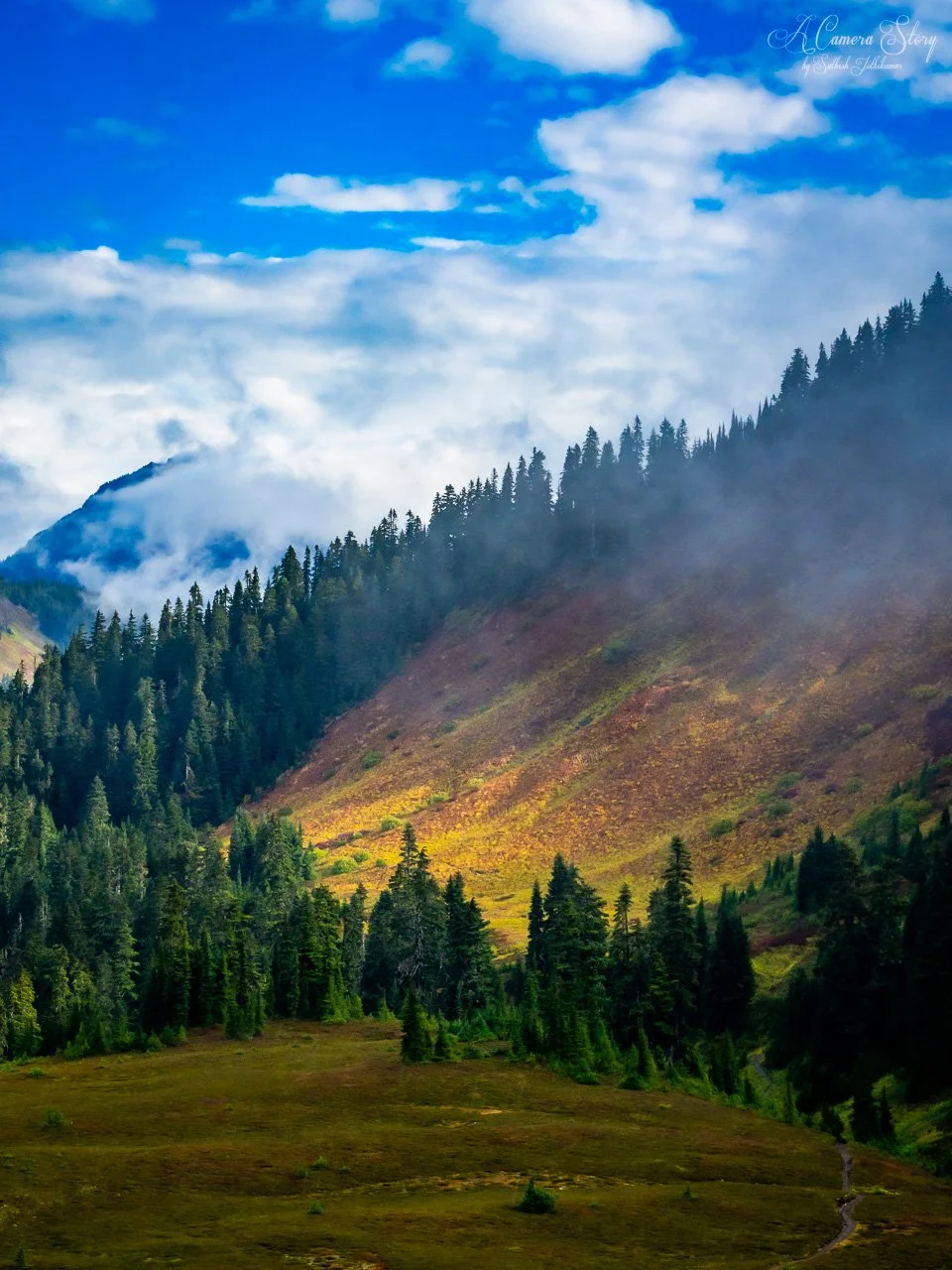
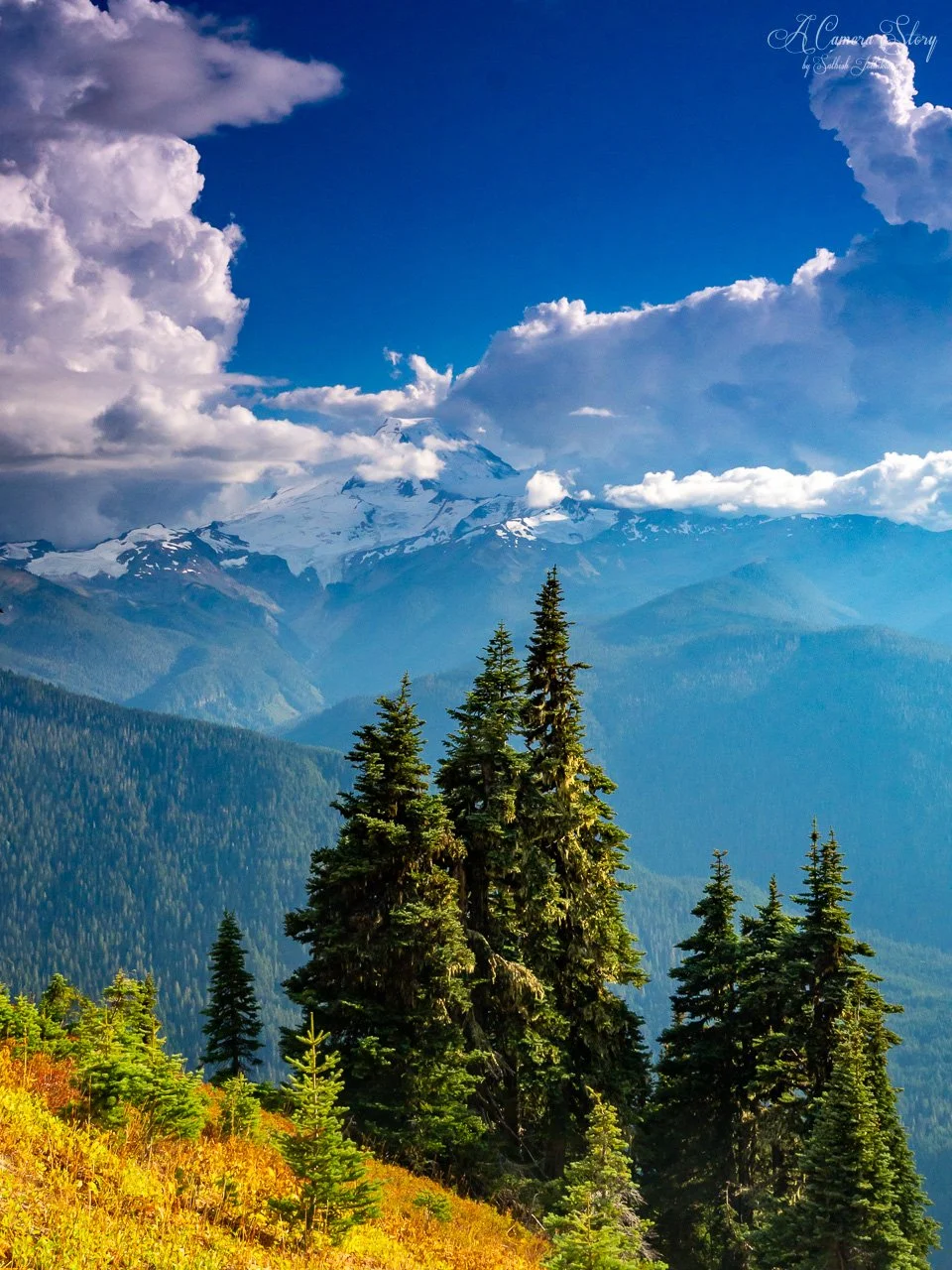
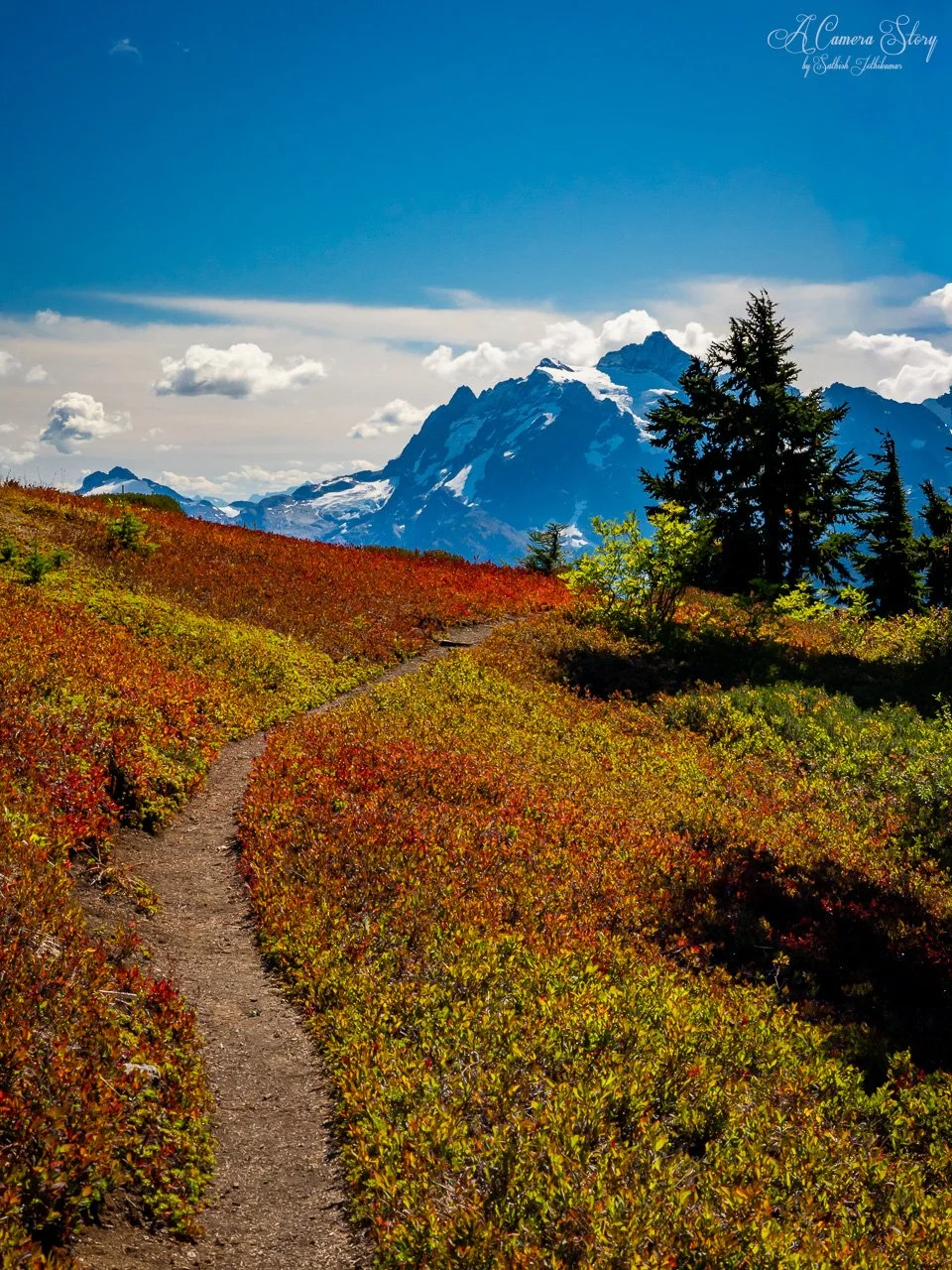
Fall has certainly arrived early in the North Cascades this year. The high alpine bushes, typically blueberry and other small shrubs are teh first to turn, signaling the end of summer. The spots where I previously used to see the transition of color in mid-September are now changing their shade much earlier. was it due to the cooler than average summer, or the lower than average precipitation - I am not sure.

However, the colors did make for a very photogenic hike through the higher sub-alpine terrain of the North Cascades. A little bit of disturbance in the atmosphere also added a bit of drama and depth to the scene. The easy access to so many dreamy vistas is why I keep coming back month after month to the same location.

Mt Baker Snoqualmie National Forest
WA USA
Flourescence in the Dunes

As the bush plane flew low over the marshes and swamps adjoining the Kobuk river, I was left to wonder when this terrain would take on a desert appearance to support sand dunes. It never did - the marshes, interspersed with boreal spruce forests that was cut by meandering waters of the wide Kobuk river, continued endlessly until suddenly it just became sand. 4x4 and snowmobile tracks in the marsh suddenly disappeared. After that, it was just miles of endless sand. 

That abrupt transition between forests and waterbodies and sand-dunes were features I experienced at multiple places in the park, and that juxtaposition was just shocking how many ever times I looked at it. And the transition zone was a timeless battle between the advancing forests and the advancing dunes, and who lost or won was just decided by precipitation and prevailing winds. The one constant was the mosquitoes, they were relentless in these transition zones.

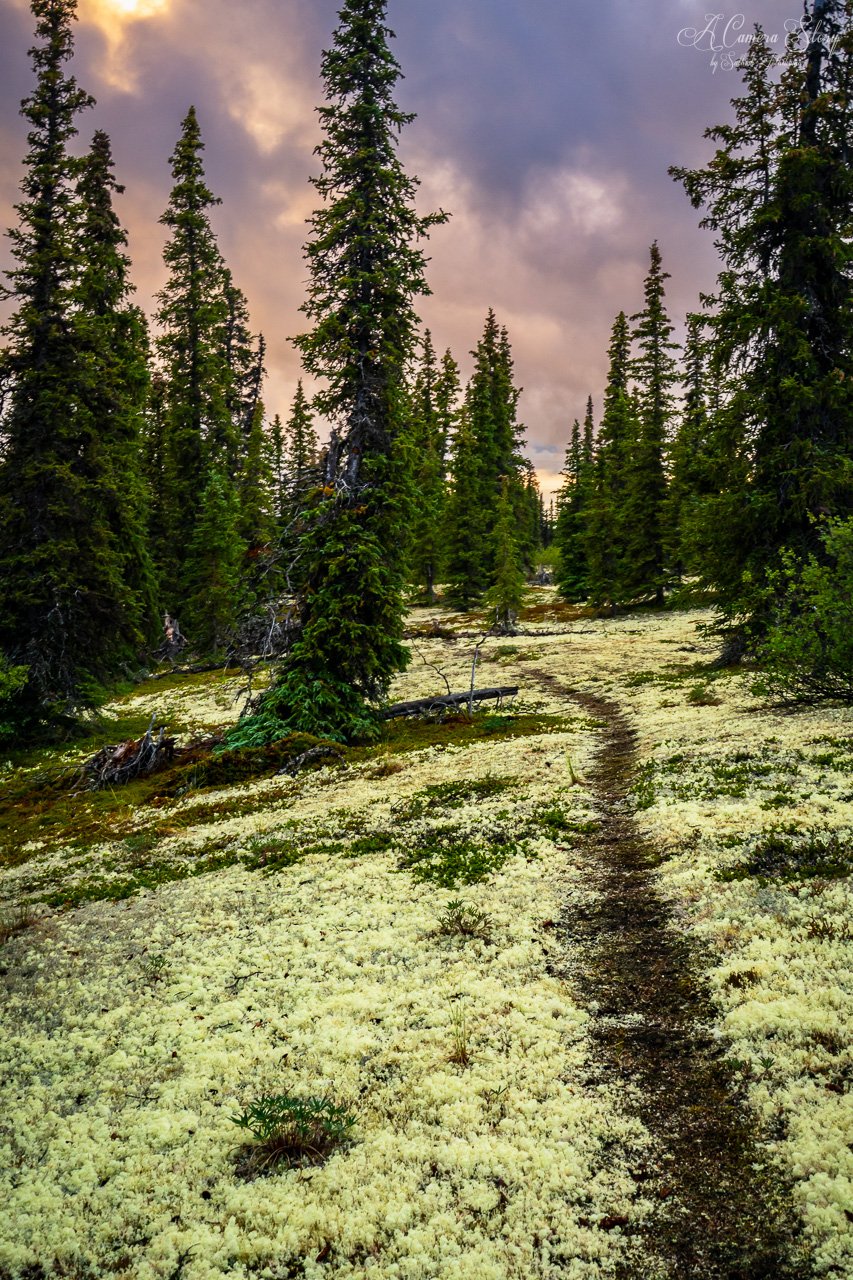
One spot on the transition zone features these beautiful lime-green reindeer lichen that carpeted the forest floor. In the late evening (11pm) light, they had a light fluorescent glow unlike anything else I had seen. 

Kobuk Valley National Park
AK USA

Amidst the Granite Walls

Park # 61 - Gates of the Arctic National Park
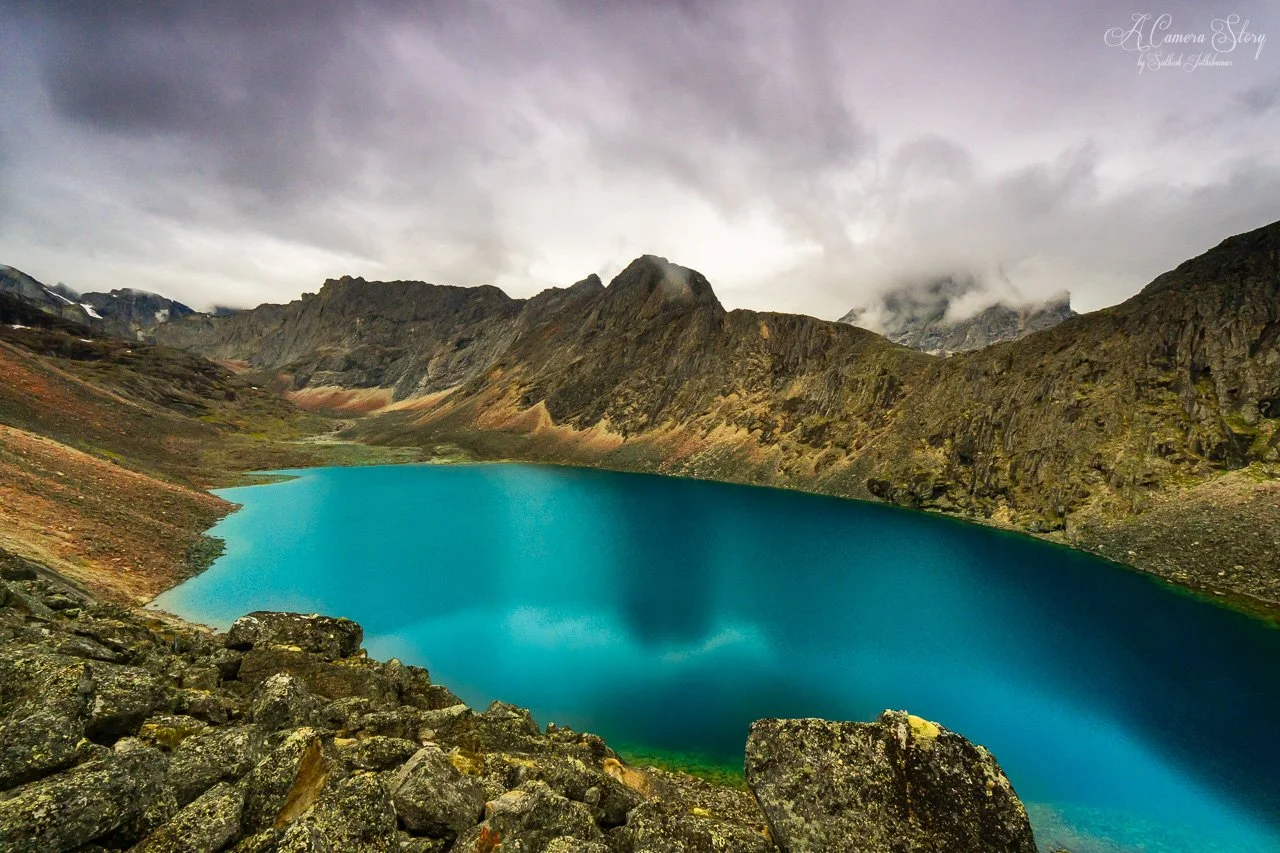
The Gates is a massive park situated entirely within the Arctic circle in Alaska, characterized by a long (but not very tall) ranges running east to west along the Continental Divide, and forming the border between the boreal and tundra climactic zones. Its wilderness experience is unparalleled, next to only the Arctic National Wildlife Refuge. There are valleys in this where one could spend days without meeting another soul or witnessing any signs of civilization.

I chose to skip all that and visit the Arrigetch region of the Gates - known for its towering granite peaks with dramatic names such as Caliban, Xanadu, Elephant's tooth (given by climbers, of course). It is one of the most heavily visited areas of the park, so much so that there is even a very walkable climbers trail going up the valley. Despite that, it was challenging, and amazingly beautiful, especially when the weather cooperated. 

Having explored this, it is certainly one of the parks I want to come back to explore some of it's more remote corners, of which there are so many.

Gates of the Arctic National Park
AK USA

Superior Hues

My National Park #60 - Isle Royale in Michigan.

Even though I had spent a couple of years in Michigan more than a decade ago, I never got around to this Island over Lake Superior. Stuck in the extreme northwest corner of the state, getting here involved a 9hr drive and a 3hr ferry to get the largest island in the middle of the largest freshwater lake in the world. And that wasn't a luxury I could afford during my time in Michigan a decade ago.

Fast forward to 2026, and I finally got around to visiting this gem of a park. The difficulty in getting there made the journey and beauty even more memorable. Sublime sunrises and serene sunsets met me every day. These were accompanied by the haunting sirens of the common loon that echoed over the vast surface of the still lake. The crystal clear waters of the lake beckoned me to its freezing embrace on the warm summer afternoons as a respite from the swarms of mosquitoes and blackflies.

Nearly a month after the trip, and I still hear the siren of the loon, feel the cold lake lapping on my feet and smell the watery undertones of Lake Superior.

Isle Royale National Park
MI USA

Falling to Winter

Time is the one true constant—an invisible current that carries us forward, whether we’re ready or not. It’s the most honest measure of what we value: the hours we devote to work, the moments we share with loved ones, the days we steal away to travel and explore. Yet once spent, time is irretrievable. And as we age, its pace seems to quicken, propelling us ever faster toward the inevitable horizon.

In this digital age, one of the greatest thieves of time is doom-scrolling. I’ve succumbed to it more often than I’d like to admit—a habit I wrestle with, especially as the world around me slips by in fleeting seasons. The spring wildflowers I wandered among feel like they bloomed just yesterday, their colors still vivid in my memory. Summer hikes and backpacking adventures seem only moments ago. The joy of autumn’s fiery foliage still lingers. And tomorrow, surely, will be winter. The cycle spins faster now, each turn of the wheel a blur.

Sometimes I long to return—to the wide-eyed wonder of my teens, the boundless optimism of my twenties, the memory-rich tapestry of my thirties. But time doesn’t rewind. All I can do is move forward, carried by its current, hoping to make each moment count before it too becomes a memory.

Oregon
USA

A Sky Set in Motion

10,000 snow geese erupted into flight, their honking a wild symphony echoing across the Skagit Valley. The air pulsed with movement, the scent of damp earth and feathers grounding the spectacle. It was chaotic, yes—but utterly mesmerizing.

These Arctic travelers spend their summers nesting in Siberia before journeying thousands of miles to overwinter in the fertile fields of coastal Washington and British Columbia. Some continue south to California, while others linger here—unwelcome guests to farmers, but pure magic to photographers.

I hadn’t expected such a massive flock this early in the season. But witnessing their synchronized dance—rising, settling, rising again—was a gift I’ll never forget.

Bonus: Trumpeter swans competing for attention from the snow geese gathering in the valley.

Skagit County
WA USA

The last of Fall

In the blink of an eye, autumn’s brilliance has faded into the mist of early winter. The Pacific Northwest, once draped in vibrant foliage and crisp air, now braces under atmospheric rivers and dwindling daylight.

As nature slows, so do we—retreating indoors to rest, reflect, and recalibrate. This seasonal shift invites a deeper pause: to acknowledge the personal transformations we've weathered, and the seismic shifts felt across our communities and country.

In these uncertain times, I’m leaning into the beauty that remains. The fiery hues of fall, like those captured here in the North Cascades, remind me that even fleeting moments can offer lasting comfort.

Here’s to finding light in memory, and strength in stillness.

Mt Baker Wilderness
WA USA

Silver Linings

Expectations: A crisp autumn weekend hiking through the Cascade Mountains, chasing golden larches and postcard-perfect vistas.

Reality: A fierce and unannounced winter storm barreled through the region, plunging temperatures into the low 20s and unleashing winds strong enough to flatten tents. The landscape was blanketed in a fresh inch of snow—beautiful, but brutal.

None of the forecasts hinted at the severity we encountered in the high country. The mild conditions at the trailhead gave no warning of what lay ahead. As we climbed, thick banks of clouds rolled in swiftly, unloading icy rain and snow across the peaks. We knew then: the night would be unforgiving.

By morning, the storm had passed. In its wake, it left behind a breathtaking scene—crisp air, golden larches dusted in snow, and light that danced across the ridges. A photographer’s dream, even if our fingers were numb.

North Cascades National Park
Washington, USA

Larch Madness

The mark of fall in the Pacific Northwest is undoubtedly the synchronized color show put on by the larches. 

As per the Washington Trails Association: Larches are a pot of gold in the fall hiking season as their flaming yellow needles turn the Cascade mountain landscape into something ethereal and otherworldly. The few short weeks when the larches’ needles turn golden—typically late September into early October—make them all the more precious to spot. It’s no wonder we call our annual search “Larch Madness.”

With Larch Madness hitting the mountains over the next couple of weeks, it is primetime for landscape and nature photographers seeking to capture landscapes with swathes of gold coat all over. And while I missed the prior years, I am excited to go this time and indulge in this spectacle of nature.

Lake Chelan-Sawtooth Wilderness
WA USA

Shades of Fall

Its officially fall in the Pacific Northwest. After a long spring where the average temperature slowly meanders up, and a blissful long summer where the mountains showcase all their splendor, the mercury drops in a matter of a few weeks in the mountains as the weather becomes wetter thanks to the storms from the Pacific. The vegetation responds to the changes in weather rather dramatically, as short brush in the high-alpine terrain turn to a scarlet red, while the larches in the drier reaches of the PNW switch to gold. And before long, they are replaced by a coat of white as winter sets in the mountains. All within a span of 4-6 weeks.

Naturally, it is one of the best times to be out there to capture this dramatic change in colors. Here are a few examples from the North Cascades range.

Mt Baker Wilderness

WA USA